Why Knowing Paris Tourist Mistakes Saves Your 3 days in Paris
Paris is one of the most visited cities in the world, welcoming over 30 million tourists annually, and with those numbers comes a well-documented set of common pitfalls that can turn a dream vacation into a frustrating experience. The difference between an unforgettable Paris trip and a disappointing one often comes down to a handful of avoidable mistakes. Having visited Paris dozens of times and spoken with hundreds of Paris travel tipsers, both first-timers and repeat visitors, we have compiled the most common mistakes that tourists make in Paris and, more importantly, exactly how to avoid each one.
These are not trivial tips. Some of these mistakes can cost you hundreds of euros, hours of wasted time, or even put your safety at risk. Others are more subtle but can mean the difference between experiencing Paris like a local and feeling like a frustrated tourist trapped in a crowded theme park. Whether this is your first visit or your tenth, read through this list before your trip. You will almost certainly recognize a few mistakes you were about to make.
Mistake 1: Only Staying Near the Eiffel Tower
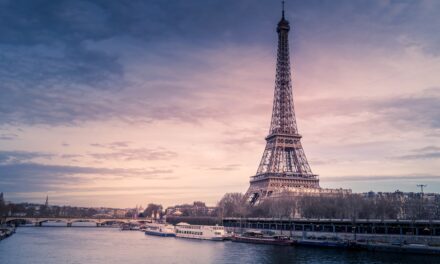
The 7th arrondissement, particularly the area around the Eiffel Tower and Rue Cler, is the most popular neighborhood for first-time visitors to Paris, and it is easy to understand why. The views are iconic, the streets feel safe, and you are close to several major attractions. However, staying exclusively in this area means you are surrounded by other tourists, tourist-oriented best restaurants in Pariss with mediocre food and inflated prices, and relatively little authentic Parisian neighborhood life. The 7th arrondissement effectively shuts down after dinner, with few late-night dining options and minimal nightlife.
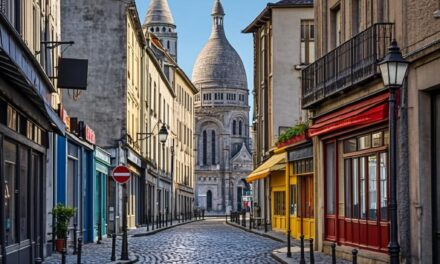
Instead, consider staying in Le Marais (3rd and 4th), Saint-Germain-des-Prés (6th), the Latin Quarter (5th), or the 11th arrondissement. These neighborhoods offer a much richer, more authentic Parisian experience, with better restaurants, more atmospheric streets, and a genuine local vibe. They are all well-connected by Metro to the Eiffel Tower and other major attractions, so you are not sacrificing convenience. You can still visit the Eiffel Tower; you just do not have to sleep surrounded by other people doing the exact same thing. For more details, check out our Paris metro guide.
Mistake 2: Eating Only at Restaurants Near Major Attractions
This is perhaps the single biggest mistake tourists make in Paris, and it is the one that most directly impacts the quality of your trip. Restaurants located within a few blocks of the Eiffel Tower, the Louvre, Notre-Dame, or the Champs-Élysées are overwhelmingly geared toward tourists, not locals. These establishments often feature laminated menus in five languages, photos of the dishes on display, waiters who aggressively try to pull you in from the street, and food that is, at best, mediocre and overpriced. A €25 plat du jour near the Louvre might cost €15 and taste twice as good in the 11th arrondissement.
The solution is simple: walk 10 to 15 minutes away from major attractions before choosing a restaurant. In the 11th arrondissement, along Rue Oberkampf and Rue de Charonne, you will find dozens of excellent bistrots, wine bars, and cafés serving authentic French cuisine at fair prices. Le Marais is packed with great options, from falafel on Rue des Rosiers to elegant bistros on Rue des Francs-Bourgeois. Use Google Reviews, The Fork (La Fourchette), or ask your hotel concierge for recommendations. Look for restaurants where the majority of diners are speaking French, not English.
Mistake 3: Not Booking Museum Tickets in Advance
If there is one thing you take away from this article, let it be this: book your museum tickets online before your trip. The Louvre, Musée d’Orsay, Versailles, Sainte-Chapelle, and the Arc de Triomphe all have massive queues that can take two hours or more during peak season. With a pre-booked timed-entry ticket, you can walk past these queues and enter in minutes. This single tip can save you literally hours of standing in line, which translates to hours more of actually enjoying Paris.
Book through the official museum websites, which often do not charge booking fees, rather than third-party resellers. For the Louvre, book at least two to three weeks in advance for peak season visits. The Musée d’Orsay releases tickets 90 days ahead. The Palace of Versailles requires advance booking for the palace interior and the musical gardens. The Paris Museum Pass (€52 for 2 days, €66 for 4 days) provides skip-the-line access to over 50 museums and monuments and can be an excellent value if you plan to visit multiple sites.
Mistake 4: Taking Taxis Everywhere Instead of the Metro
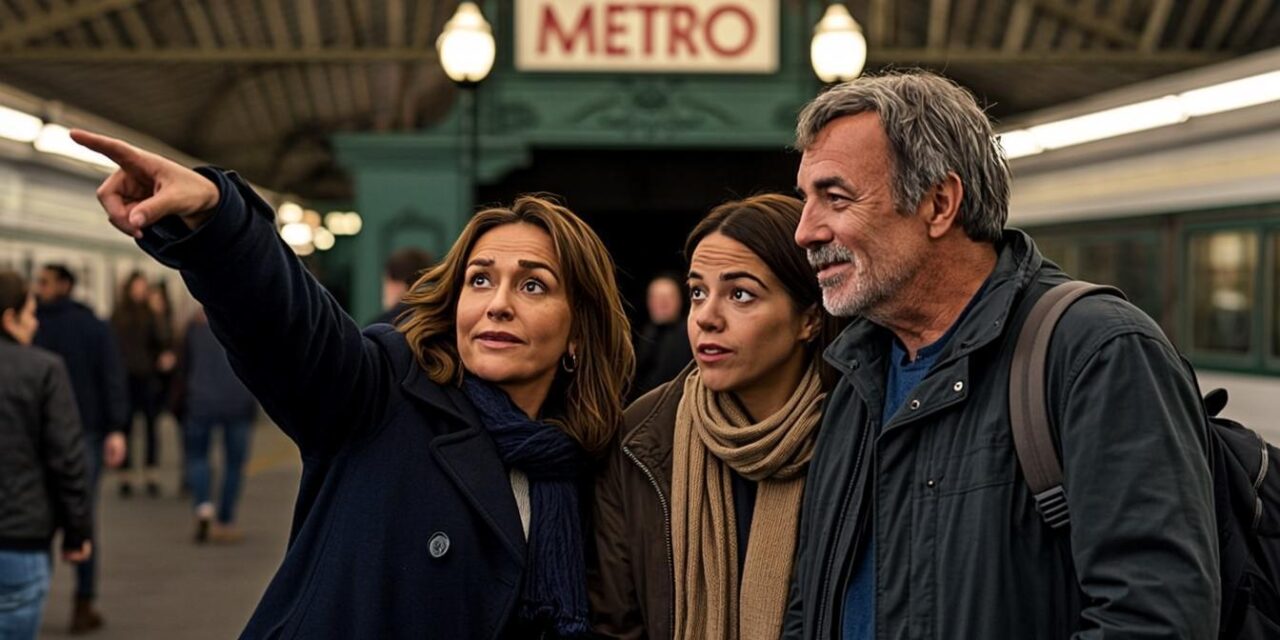
Taking taxis for every journey in Paris is an expensive mistake that will quickly inflate your travel budget. A typical taxi ride within central Paris costs €15 to €30, while the same journey by Metro costs €2.15. The Paris Metro is one of the most efficient, affordable, and extensive public transportation systems in the world, with over 300 stations covering virtually every corner of the city. It is safe, clean, well-lit, and runs from approximately 5:30 AM to 12:45 AM. A carnet of 10 tickets costs approximately €17, making each ride just €1.70.
The Metro is also faster than taxis for most journeys within central Paris, as it avoids the city’s notorious traffic congestion. For late nights when the Metro is closed, use Uber or Bolt, which are significantly cheaper than traditional taxis. For journeys to and from the airports, the RER B train to Charles de Gaulle (€11.80) and the Orlyval to Orly (€11.30) are excellent alternatives to €60 to €80 taxi rides.
Mistake 5: Trying to See Everything in One Trip
Paris has over 130 museums, countless landmarks, world-class restaurants, vibrant neighborhoods, parks, markets, and cultural events. Attempting to see everything in a single trip is not only impossible but counterproductive. The tourists who have the worst time in Paris are the ones who treat it like a checklist, rushing from the Eiffel Tower to the Louvre to Notre-Dame to Versailles in a frantic sprint that leaves them exhausted, overwhelmed, and unable to appreciate anything they are seeing.
A much better approach is to choose three to five things you genuinely want to see each day and leave generous time for wandering, sitting at cafés, and simply absorbing the atmosphere. Some of the best Paris experiences are unplanned: stumbling upon a street market, discovering a charming bookshop, or watching sunset from a bridge over the Seine. Leave room for serendipity. If this is your first visit, focus on a few highlights and save the rest for next time. Paris rewards repeat visitors, and having a reason to come back is a feature, not a bug.
Mistake 6: Skipping the Smaller Museums
Most tourists in Paris visit the Louvre, the Musée d’Orsay, and perhaps Versailles, and then call it a day on museums. This is a mistake, because Paris is home to some of the most charming and unique smaller museums in the world, many of which are far less crowded and arguably more enjoyable than the mega-museums. The Musée de l’Orangerie, located in the Tuileries Garden, houses Monet’s magnificent Water Lilies in custom-designed oval rooms and is a profound, meditative experience. The Musée Jacquemart-André is a stunning 19th-century mansion with an exceptional art collection that feels like visiting a private home.
Other smaller museums worth seeking out include the Musée Marmottan Monet (the largest Monet collection in the world), the Musée Rodin (sculpture in a beautiful garden setting), the Musée de Montmartre (the history of the bohemian neighborhood), the Musée des Arts Forains (a magical private collection of vintage fairground attractions), and the Fondation Louis Vuitton (contemporary art in a stunning Frank Gehry building). These museums offer a more intimate, less crowded, and often more personal art experience than the major institutions.
Mistake 7: Only Visiting During Peak Season
June through August is the most popular time to visit Paris, and for good reason: the weather is generally warm and sunny, the days are long, and the city’s parks and outdoor cafés are at their best. However, peak season also means massive crowds at every attraction, inflated hotel prices (often 50 to 100 percent higher than off-season rates), restaurant reservations that need to be made weeks in advance, and a general sense of overcrowding that can diminish the experience.
Consider visiting during the shoulder seasons: April to May and September to October. During these months, the weather is still pleasant, the crowds are thinner, prices are lower, and the city retains a more relaxed, authentic atmosphere. Winter (November through February, excluding Christmas) is the secret gem of Paris travel. Hotel rates plummet, museum queues vanish, and the city takes on a magical quality with its holiday lights, Christmas markets, and cozy café culture. The key to enjoying winter in Paris is dressing warmly and embracing the season’s unique offerings.
Mistake 8: Not Learning Basic French Phrases
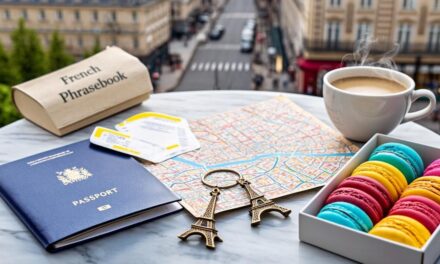
The myth that Parisians are rude to tourists is largely perpetuated by tourists who make no effort to speak French. While most Parisians in tourist areas speak English, making an effort with even a few basic French phrases will dramatically improve every interaction you have. Always greet shopkeepers and restaurant staff with “Bonjour” when entering and “Au revoir” when leaving. Say “S’il vous plaît” (please) and “Merci” (thank you). Ask “Parlez-vous anglais?” before switching to English. These small gestures of respect are deeply appreciated and will almost always result in warmer, more helpful service.
The key cultural insight is that in France, not saying “Bonjour” before asking a question or making a request is considered extremely rude, equivalent to walking into someone’s house without knocking. This simple word, used consistently, will transform your Paris experience. Download Google Translate or a French language app before your trip, and practice a few key phrases. Even badly pronounced French is better than no French at all.
Mistake 9: Falling for Common Paris Scams
Paris has several well-known scams that target tourists, and being aware of them can save you money and frustration. The “gold ring” scam involves someone picking up a gold ring near you, asking if it belongs to you, and then pressing you to pay them a “reward.” Simply walk away without engaging. The “petition signing” scam, often perpetrated by women claiming to be deaf or representing a charity, involves getting around Paris cheaply you to sign a petition while an accomplice picks your pocket. The “string bracelet” scam involves someone tying a bracelet around your wrist and then demanding payment. Again, walk away firmly.
Other scams include people dropping items in front of you (a distraction for pickpocketing), fake charity collectors at major tourist sites, and overly friendly strangers who approach you speaking English and try to distract you. The best defense is simple awareness: keep your valuables secure, use a cross-body bag with a zip closure, do not engage with people who approach you unsolicited, and keep your phone and wallet in front pockets rather than back pockets. If someone is being aggressive, a loud “Non!” and walking toward a crowd or a police officer will usually resolve the situation.
Mistake 10: Overpacking Your Itinerary
Related to the mistake of trying to see everything, overpacking your daily itinerary is a surefire way to burn out by day three. Many tourists plan packed schedules that start at 8 AM and end at 10 PM, with back-to-back attractions and barely a break for lunch. This approach treats Paris like a task to be completed rather than a city to be experienced. The result is exhaustion, irritability, and the feeling that you are on a forced march rather than a vacation.
A more sustainable approach is to plan one or two major activities per day, with plenty of built-in downtime. Schedule long lunches at cafés where you can rest, people-watch, and recharge. Plan an afternoon break at your hotel or in a park. Leave entire half-days free for unplanned exploration. Paris is a city that rewards slow travel: wandering without a map, sitting on a bench in the Luxembourg Gardens, getting lost in the Marais, or browsing a bookshop. These unstructured moments often become the most memorable parts of a trip.
Mistake 11: Assuming All Tap Water Is Unsafe
Paris tap water is excellent. It is perfectly safe to drink, tastes good, and is free. Every Parisian drinks it. Many restaurants will serve you tap water (a carafe d’eau) for free if you ask, though some may try to push bottled water for a higher bill. Carrying a reusable water bottle and filling it at the city’s many public fountains (many of which dispense both still and sparkling water, like the famous Wallace fountains) is not only environmentally friendly but can save you significant money over the course of a trip.
Mistake 12: Shopping Only at Tourist Traps
The shops lining the streets around the Louvre, Champs-Élysées, and Notre-Dame are overwhelmingly geared toward tourists and sell generic souvenirs, overpriced chocolates, and mass-produced items that you could find anywhere. For authentic Parisian shopping, explore the city’s real shopping districts: the Galeries Lafayette and Printemps for department store elegance, the Marais for independent boutiques and vintage shops, Saint-Germain for luxury brands and artisanal food shops, and the flea markets at Puces de Saint-Ouen for unique antiques and vintage finds. Visit French pharmacies for skincare products (Bioderma, Caudalie, Embryolisse) that make excellent, practical souvenirs.
Mistake 13: Eating at Your Hotel for Every Meal
While hotel breakfast buffets can be convenient, they are also expensive (typically €30 to €60 per person) and keep you from experiencing one of Paris’s greatest pleasures: the neighborhood boulangerie. Instead of eating at your hotel, venture out to a local bakery for a fresh croissant and café crème. Most boulangeries serve breakfast for under €10, and the quality of fresh-baked pastries is incomparable to hotel buffet offerings. Similarly, avoid hotel restaurants for dinner unless they are genuinely exceptional. The best meals in Paris are found in neighborhood bistros, wine bars, and market-side cafés, not in hotel dining rooms.
More Common Mistakes to Avoid
Mistake 14: Not validating your Metro ticket. Always compost (validate) your ticket before entering the platform, even if the gates are open. Failure to do so can result in a €50 fine. Mistake 15: Tipping excessively. Service is included in French restaurant prices (service compris). A small tip of 5 to 10 percent is appreciated for exceptional service but is not expected. Mistake 16: Ignoring dress codes for churches and cathedrals. Cover your shoulders and knees when visiting religious sites. Mistake 17: Only eating French food. Paris is a cosmopolitan city with excellent Japanese, Italian, Lebanese, Vietnamese, and North African cuisine. Mistake 18: Using your phone without a data plan. Navigation, translation, and restaurant finding all require data. Buy a French SIM card or eSIM before your trip. Mistake 19: Visiting the Eiffel Tower without a pre-booked ticket. Queue times can exceed three hours without one. Mistake 20: Forgetting to look up. Some of the most beautiful architecture in Paris is above eye level: ornate cornices, wrought-iron balconies, statues, and carved details that many tourists never notice because they are looking at their phones or the ground.
Frequently Asked Questions
Is Paris really as unfriendly to tourists as people say?
Paris is not unfriendly to tourists who make an effort to respect local customs. The reputation for rudeness largely stems from cultural misunderstandings: not saying “Bonjour” before interactions, speaking loudly in public, and not observing basic French etiquette. Show respect for the culture, learn a few phrases, and you will find Parisians to be warm, helpful, and hospitable.
What is the biggest waste of money in Paris?
Eating at restaurants near major tourist attractions and taking taxis for short distances within the city are the two biggest money-wasters. A meal near the Eiffel Tower can cost twice as much as the same quality meal in a local neighborhood. The Metro is fast, clean, and costs a fraction of taxi fares.
How can I avoid looking like a tourist in Paris?
Dress in neutral, well-fitting clothes rather than athletic wear or flashy tourist clothing. Wear a cross-body bag instead of a backpack. Speak quietly in public. Greet people with “Bonjour.” Walk at a relaxed pace rather than rushing between attractions. Carry a book or a newspaper. These small adjustments will help you blend in and be treated more like a local.