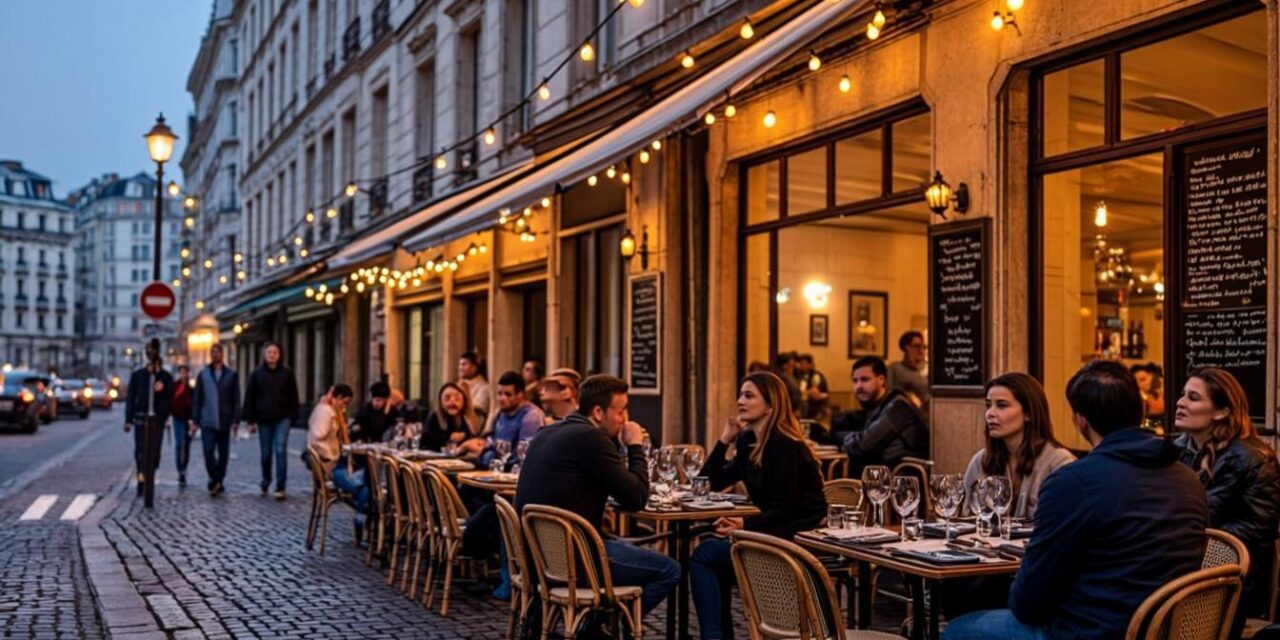
The Paris Locals’ Paris food guide Guide: Eat Where Real Parisians Eat
Ask any Parisian where to eat, and they won’t direct you to a restaurant near the Eiffel Tower or the Champs-Élysées. They’ll tell you about their neighborhood bistro in the 11th, the Vietnamese place they’ve been going to for years in the 13th, the natural wine bar that just opened near Canal Saint-Martin, or the bakery where they buy their daily baguette. This guide is your key to eating where Parisians actually eat — the hidden bistros, the beloved neighborhood joints, the street food stalls with lines around the block, and the markets where locals do their daily shopping. These are the places that don’t appear in most guidebooks, the best restaurants in Paris where you’ll be surrounded by French speakers, where the menu might not be translated into English, and where the food is authentic, seasonal, and priced for regulars rather than tourists. This is the real Paris food scene — and it’s more delicious, more affordable restaurants in Paris, and more memorable than anything you’ll find in the tourist zones.
Neighborhood-by-Neighborhood: Where Parisians Really Eat
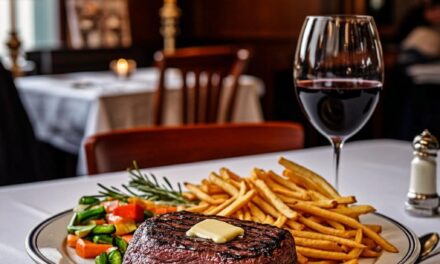
The 11th arrondissement is the undisputed foodie heart of Paris. This vibrant, diverse neighborhood is where young Parisian chefs open their first restaurants, where wine bar culture thrives, and where you’ll find the highest concentration of excellent, affordable eateries in the entire city. The area around Rue Paul Bert is legendary — Le Bistrot Paul Bert is a classic French bistro that locals have been loving for decades, with flawless steak frites and a chocolate soufflé that’s worth the trip alone. Across the street, Cattelin offers excellent value lunch menus. Further along, on Rue Oberkampf and Rue Saint-Maur, you’ll find dozens of natural wine bars (Le Baron Rouge, Septime La Cave, Bistrot La Place) serving excellent small plates alongside interesting organic wines. For something different, the 11th also has fantastic Asian food — try Le Bichat for excellent Korean fried chicken or Pho 14 for the best pho in Paris. For more details, check out our wine bars.
The 10th arrondissement, especially around Canal Saint-Martin, is the second hotspot. This area has transformed over the past decade from gritty to trendy, and the food scene reflects that evolution. Holybelly (5 Rue Lucien Sampaix) is a beloved brunch spot that draws locals on weekends — expect a queue, but it’s worth it. The area is packed with excellent bistros: Vivant (43 Rue des Petites Écuries) serves creative small plates, while La Buvette (74 Rue de la Roquette, actually in the 11th but nearby) is a perfect spot for a casual wine and cheese lunch. For dinner, Le Servan (32 Rue Saint-Maur) is one of the most exciting bistros in Paris — two sisters from the Philippines serving French cuisine with Asian influences. The atmosphere is always lively, the food is consistently excellent, and you’ll hear as much French as English at the tables around you.
The 3rd and 4th arrondissements (Le Marais) have some of the best ethnic food in Paris. The area around Rue des Rosiers is the historic Jewish quarter, home to L’As du Fallafel (the most famous falafel in Paris) and a cluster of excellent Jewish bakeries and delis. Breizh Café serves outstanding Breton crepes. The 13th arrondissement has the city’s best Chinatown, centered around Avenue d’Ivry and Place d’Italie — try Tang Gourmet for Sichuan cuisine or the bakeries along Avenue de Choisy for Vietnamese banh mi. The 18th and 20th arrondissements, traditionally working-class neighborhoods, offer the most authentic and affordable North African food — tagines, couscous, and merguez at places like Le Merle Moqueur (18th) or the family-run restaurants along Rue de Belleville (20th).
The Best Local Bistros: Parisians’ Favorite Restaurants
These are the restaurants that Parisians return to again and again — reliable neighborhood bistros that serve honest, seasonal French food at fair prices. Chez Janou (2 Rue Roger Verlomme, 3rd) is a Provençal-style bistro in a beautiful, rustic space — the food is consistently good (try the daube de boeuf, a Provençal beef stew), but locals really come for the unlimited chocolate mousse served at the end of the meal. It’s one of the best dessert deals in Paris. Le Bistrot Paul Bert (18 Rue Paul Bert, 11th) is the gold standard for classic Parisian bistro cuisine — their escargots, steak frites, and tête de veau (calf’s head) are legendary, and the soufflé au chocolat is one of the best desserts in any Paris restaurant.
Le Comptoir du Relais (9 Carrefour de l’Odéon, 6th) is a Saint-Germain classic that’s been serving the same reliable French classics for decades — their cassoulet and confit de canard are always excellent. At lunch, the menu is one of the best deals in Paris. La Bonne Franquette (not to be confused with the tourist trap in Montmartre) at 93 Rue Lepic has the best bouillabaisse outside of Marseille. Bistrot Paul Bert’s sister restaurant, L’Écailler du Bistrot (22 Rue Paul Bert, 11th), specializes in exceptional seafood — their plateau de fruits de mer (seafood platter) is the best in the city. For a truly local experience, visit any of these restaurants for lunch rather than dinner — the atmosphere is more casual, the set menus offer better value, and you’ll be surrounded by French office workers on their lunch break, which is always a good sign.
Local Markets: Where Parisians Buy Their Food
The outdoor market is the heart of Parisian food culture, and shopping at one is the most authentic food experience you can have. Parisians don’t just visit markets for special occasions — many do their daily shopping at their neighborhood market, building relationships with specific vendors over years. The Marché d’Aligre (12th arrondissement, Tuesday-Sunday mornings) is the most vibrant and affordable market in Paris, combining fresh produce, artisanal cheeses, charcuterie, and prepared foods with a flea market. This is where locals come for the best prices and the most authentic atmosphere — you’ll see Parisians pushing their shopping carts, chatting with vendors they’ve known for years, and picking up everything from organic vegetables to vintage postcards.
The Marché Bastille (Sunday mornings, Boulevard Richard Lenoir) is the largest organic market in Paris, with over 100 stalls selling organic produce, bread, cheese, meat, fish, and prepared foods. The quality is exceptional and the atmosphere is festive. The Marché des Enfants Rouges (3rd arrondissement, Tuesday-Sunday) is the oldest covered market in Paris (1615) and doubles as a multicultural food court — the Moroccan, Japanese, and Italian stalls are consistently excellent. The Marché Raspail (6th arrondissement, Sunday mornings) has both an organic market and a traditional market — it’s where many Saint-Germain locals do their weekly shopping. For the most immersive local market experience, visit any of these on a Saturday or Sunday morning, arrive before 9 AM, and follow the lead of the Parisians around you. Buy bread from the bakery stall, cheese from the fromagerie, fruit from the greengrocer, and a roast chicken from the rotisserie — then enjoy the best picnic of your life in a nearby park.
Parisians’ Favorite Cheap Eats
Eating well in Paris doesn’t have to be expensive — in fact, some of the best food is the most affordable. A jambon-beurre baguette from any good bakery (ham, butter, and baguette — that’s it) costs about 5 euros and is one of the most satisfying lunches you’ll ever have. The French take this simple sandwich very seriously — the baguette must be fresh (ideally tradition), the butter must be salted (demi-sel), and the ham must be quality. Our favorite spots: Le Grenier à Pain and Maison Landemaine. For falafel, L’As du Fallafel (34 Rue des Rosiers, 4th) is the most famous, but the adjacent Mi-Va-Mi is equally good and often has a shorter queue. A falafel pita costs about 8 euros and is lunch for most of the day.
For pizza, the 11th arrondissement has several excellent Italian spots — Pink Mamma (67 Rue de Charonne) is a massive, trendy pizzeria that locals love, while Popicine (multiple locations) serves outstanding Neapolitan-style pies. For Vietnamese food, the 13th arrondissement is the place to go — Pho 14 on Avenue de Choisy serves enormous bowls of pho for about 11 euros, and the banh mi shops along Avenue d’Ivry sell the best sandwiches outside of Saigon. For North African food, Chez Omar (47 Rue de Bretagne, 3rd) serves some of the best couscous in Paris at reasonable prices — the couscous royale (with lamb, merguez, and vegetables) costs about 19 euros and is easily enough for two people. For a quick snack, any bakery sells excellent quiche, pizza slices, and savory pastries for 3-5 euros. And don’t forget the crepe stands — a fresh crepe with butter and sugar costs about 4 euros and is the perfect street snack, especially when made right in front of you on a cast-iron griddle.
Natural Wine Bars: The Local where to eat and drink in Parising Scene
Paris is the world capital of the natural wine movement, and the city’s natural wine bars are where young, creative Parisians spend their evenings. Natural wines are made with minimal intervention — organic or biodynamic grapes, wild yeast fermentation, no additives, and little to no sulfites. The result is wines that are alive, expressive, and unlike anything you’ll find in conventional wine shops. The wine bar scene in Paris has exploded over the past decade, and the 10th and 11th arrondissements are the epicenter. Le Baron Rouge (1 Rue Théophile Roussel, 12th) is the granddaddy of Paris wine bars — a bustling, no-reservations spot with excellent wines by the glass and a fantastic cheese and charcuterie selection. Arrive early or be prepared to stand.
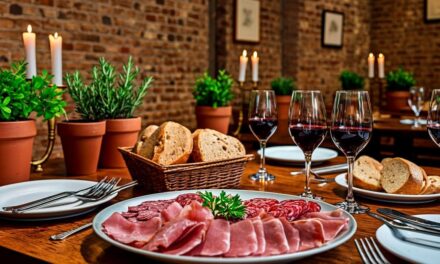
Septime La Cave (3 Rue des Cinq Diamants, 11th) is the wine shop annex of the famous Septime restaurant, offering natural wines by the glass alongside small plates of exceptional quality. Bistrot La Place (9 Place de la Bastille) has a beautiful terrace and serves natural wines alongside seasonal dishes. Dans le Vin… on aime! (1 Rue des Tournelles, 4th) is a charming wine bar in the Marais with an extensive natural wine list and excellent small plates. For a more traditional wine bar experience, Willi’s Wine Bar (13 Rue des Petits Champs, 1st) has been serving wines from small producers since 1980 and remains one of the most trusted wine addresses in Paris. The typical approach is to order a few glasses of different wines (most bars offer pours of 5-8 euros) along with a cheese or charcuterie board (15-25 euros) and spend the evening tasting and chatting. It’s convivial, affordable, and quintessentially Parisian.
The Best Bakeries for Daily Bread: Where Locals Buy Their Baguette
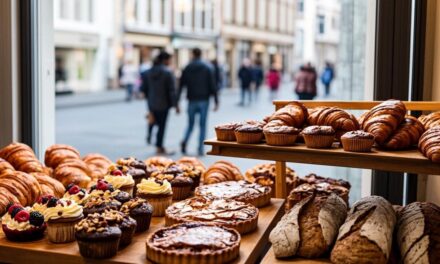
Every Parisian has a boulangerie where they buy their daily baguette, and the ritual of the daily bread run is one of the constants of Parisian life. A good baguette should have a deep golden crust that shatters when you squeeze it, a slightly open, airy crumb with irregular holes, and a flavor that’s subtly yeasty with a hint of butter and salt. The baguette de tradition (sometimes called ‘tradition’ or ‘baguette à l’ancienne’) is the premium version made with more kneading, a longer fermentation, and no additives — it costs about 1.30-1.50 euros and is always worth the small extra cost over the standard baguette. The city’s annual Grand Prix de la Baguette competition rigorously evaluates hundreds of bakeries, and the winner supplies the Élysée Palace for an entire year.
For the best baguettes in Paris, seek out these award-winning bakeries: Gontran Cherrier (22 Rue Caulaincourt, 18th) is a Meilleur Ouvrier de France whose baguettes are technically flawless. Le Grenier à Pain (multiple locations) won the Grand Prix in 2024. Laurent Duchêne (2 Rue Wurtz, 13th) produces consistently outstanding breads. Maison Landemaine (multiple locations) is a modern bakery chain with excellent quality and convenient locations. Au Levain d’Antan (14 Rue Trousseau, 11th) uses traditional sourdough methods and produces a baguette with extraordinary depth of flavor. For a truly local experience, go to the nearest bakery to your apartment at around 6-7 PM — that’s when the last batch of the day comes out of the oven, and you’ll get a baguette that’s still warm. There’s nothing better than walking home through Paris with a warm baguette under your arm.
Frequently Asked Questions
How can I tell if a restaurant is touristy or local?
Look for these signs of a local restaurant: the menu is in French (or primarily in French), there’s no one standing outside trying to lure you in, the clientele is speaking French, the menu changes seasonally, the ‘plat du jour’ is prominently featured, and there’s no ‘tourist menu’ in multiple languages. If a restaurant has photos of the food outside, an English-only menu, or someone aggressively handing out flyers, it’s a tourist trap.
Do I need to speak French to eat at local restaurants?
No, but making the effort helps. Start with ‘Bonjour’ when you enter, and ask ‘Parlez-vous anglais?’ before ordering. Most Parisian restaurant staff in foodie neighborhoods speak enough English to help you. Pointing at the menu works too. The key is to be polite and respectful — Parisians respond well to visitors who make an effort.
What’s the average price at a local bistro?
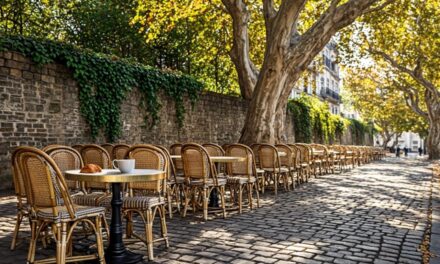
A two-course lunch (formule déjeuner) at a local bistro costs 15-22 euros. A three-course dinner costs 25-40 euros. A glass of house wine costs 4-7 euros. A coffee costs 2-3 euros at the bar (comptoir) or 5-7 euros at a terrace table. These prices are for regular bistros — Michelin-starred and trendy restaurants cost significantly more.
Can I eat at local restaurants with dietary restrictions?
Paris is improving rapidly in this area, but it’s still behind cities like London or New York. Vegetarian options are increasingly common at modern bistros, though traditional French cuisine is meat-heavy. Call ahead or check the restaurant’s website. For gluten-free options, the best bet is natural food shops like Naturalia or dedicated GF bakeries like Chambelland (14th). For allergies, a printed card in French explaining your dietary needs is very helpful.
What time do locals actually eat dinner?
Parisians typically eat dinner between 8:00 PM and 9:30 PM. Restaurants that cater to locals often don’t fill up until 8:30 PM. If you arrive at 7 PM, you’ll have the place nearly to yourself (which can be nice), but the atmosphere will be more lively if you come at 8:30 or later. Very few locals eat before 7:30 PM. Sunday brunch has become increasingly popular in recent years, especially in the 11th and 3rd arrondissements.