The Ultimate Paris Food Guide: Everything You Need to Know
Paris is one of the great food capitals of the world, and eating well here is not just a pleasure — it’s a fundamental part of the Parisian experience. From the flaky croissant you eat on your first morning to the perfectly executed steak frites at a neighborhood bistro, from the fresh baguette you pick up on the way home to the artisanal cheese you discover at a street market, food in Paris is an everyday art form. This comprehensive food guide covers everything a visitor needs to know: the iconic dishes you must try, where to find the best bakeries, best restaurants in Paris, and markets, how French dining culture actually works, and the insider tips that will elevate every meal from good to unforgettable. Whether you’re a passionate foodie or simply someone who enjoys eating well, this guide will help you experience Paris through its extraordinary food culture. For more details, check out our where locals eat.
The 10 Iconic Paris Foods You Must Try
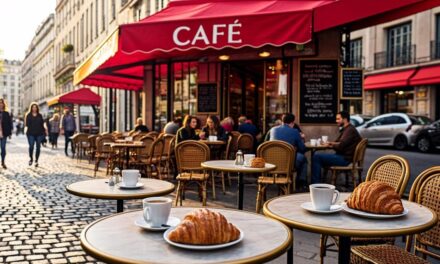
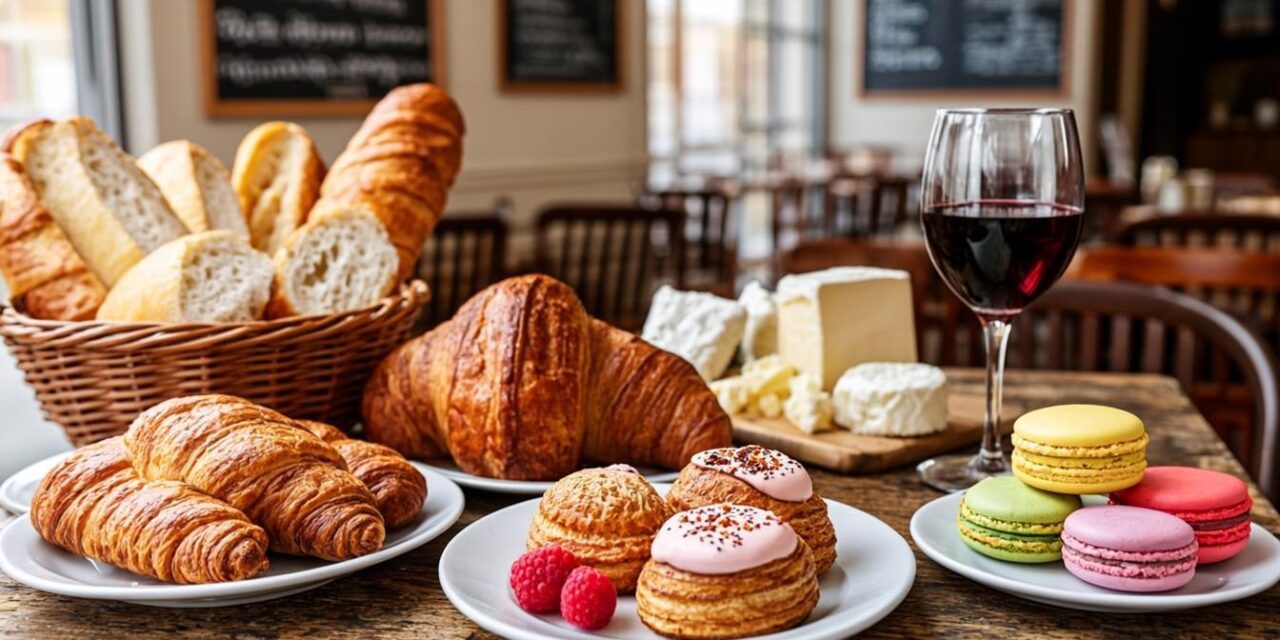
best croissants in Paris are the essential Parisian breakfast, and the difference between a mediocre one and an exceptional one is the difference between a forgettable morning and a life-changing one. A proper Parisian croissant is made with high-quality butter (minimum 25% fat), folded in dozens of thin layers, and baked until the exterior is deeply golden and shatteringly crisp while the interior remains soft, buttery, and slightly yeasty. The best croissants are available from artisanal boulangeries, not supermarkets. Our top picks: Du Pain et des Idées (10th arrondissement), Blé Sucré (12th), and Pierre Hermé (multiple locations). Arrive before 9 AM for the freshest batch. An almond croissant (croissant aux amandes) is a sweeter, richer variation filled with almond cream and topped with sliced almonds — it’s a perfect mid-morning treat.
Steak frites is the quintessential Parisian bistro dish and a benchmark for any restaurant’s quality. A properly cooked entrecôte (ribeye) with a crispy, golden pile of fresh frites, served with béarnaise or compound butter, is one of the most satisfying meals on earth. Escargots de Bourgogne (Burgundy snails) are served in their shells, swimming in garlic-parsley butter, and are far more delicious than they sound — order them as a starter and use the provided bread to soak up every drop of the garlic butter. French onion soup (soupe à l’oignon gratinée) is a deeply comforting dish of caramelized onions in rich beef broth, topped with a thick crouton and melted Gruyère cheese — perfect for a cold or rainy day. Coq au vin (chicken braised in red wine with mushrooms and lardons) and boeuf bourguignon (beef stew in red wine) are the two classic French braises that every bistro should execute well — they’re rich, complex, and deeply satisfying. Crème brûlée is the most iconic Parisian dessert — a silky vanilla custard topped with a thin, crackling layer of caramelized sugar. Other must-try desserts include tarte tatin (upside-down caramelized apple tart), profiteroles (choux pastry puffs filled with ice cream and covered in hot chocolate sauce), and Paris-Brest (a ring-shaped pastry filled with praline cream). And of course, no visit to Paris is complete without trying macarons from Ladurée or Pierre Hermé — these delicate almond meringue cookies sandwiched with ganache come in dozens of flavors and make beautiful gifts.
Best Bakeries in Paris: Where to Find the Perfect Croissant
The boulangerie is the cornerstone of Parisian food culture, and no neighborhood is without at least one. In fact, the city has over 1,200 bakeries, each producing fresh bread and pastries every morning. The best bakeries distinguish themselves through the quality of their ingredients, their fermentation methods, and the skill of their artisans. Look for the ‘Artisan Boulanger’ sign — this indicates that the bread is made entirely on-site from scratch, not from frozen dough. The city’s annual Grand Prix de la Baguette competition awards the best traditional baguette in Paris, and the winner’s baguettes are then served at the Élysée Palace for the president. For more details, check out our guide to best cafés in Paris.
For croissants andViennoiseries, our absolute favorite is Du Pain et des Idées at 34 Rue Yves Toudic in the 10th — their pain des amis (a rustic loaf) and escargot chocolat-pistache (a spiral pastry) are legendary, and the queue out the door on weekends tells you everything you need to know. Blé Sucré at 14 Rue Antoine Vollon in the 12th is known for exceptionally buttery croissants and their famous madeleines. Laurent Duchêne at 2 Rue Wurtz in the 13th is a Meilleur Ouvrier de France (Best Craftsman in France) and produces technically perfect croissants and baguettes. For baguettes specifically, Maison Landemaine (multiple locations), Gontran Cherrier in Montmartre, and Le Grenier à Pain (multiple locations) are all outstanding. The traditional baguette (baguette de tradition) costs about 1.30-1.50 euros and is always the best value in the shop. Buy one fresh in the morning, tear it open while still warm, and you’ll understand why UNESCO added French baguette culture to its Intangible Cultural Heritage list.
Where to Eat: Restaurant Guide by Neighborhood
The 11th arrondissement is the undisputed food capital of Paris right now — this lively, diverse neighborhood has the highest concentration of excellent, affordable restaurants in the city. Start with Le Bistrot Paul Bert at 18 Rue Paul Bert, widely considered one of the best classic bistros in Paris — their steak frites and soufflé au chocolat are perfection. Nearby, Bistrot Paul Bert’s sister restaurant L’Écailler du Bistrot specializes in seafood. For modern French cuisine, Septime (3 Rue Basfroi) is one of the most celebrated restaurants in Paris — book weeks in advance. For something more casual and affordable, Cattelin (14 Rue Paul Bert) and Le Petit Vendôme (12 Rue Bichat) offer excellent value. The area around Oberkampf and Bastille is packed with natural wine bars, Asian bistros, and creative modern restaurants.
Le Marais (3rd/4th arrondissement) offers excellent dining in a historic setting. Chez Janou at 2 Rue Roger Verlomme is a Provençal-style bistro famous for its chocolate mousse (served in a huge bowl with a side of whipped cream). Breizh Café at 109 Rue Vieille du Temple serves the best crepes in Paris — both savory galettes and sweet crepes. Camille at 4 Rue des Halles is a romantic bistro with reliable classic dishes. The Latin Quarter (5th arrondissement) has more affordable, student-friendly options. Le Coupe Chou at 11 Rue de Lanneau is a 17th-century townhouse serving traditional French cuisine in a stunning setting. Le Cinq Tunisien at 5 Rue de l’Arbalète serves the best Tunisian food in the city. For Michelin-starred dining without Michelin prices, Yam’Tcha at 121 Rue de Vaugirard offers French-Chinese fusion at lunch for about 35 euros.
Paris Markets: A Food Lover’s Paradise
Paris’s street markets are where the city’s food culture truly comes alive. The Marché d’Aligre (12th arrondissement, Tuesday-Sunday mornings) is our top recommendation — it combines a vibrant produce market with a flea market, and the atmosphere is wonderfully chaotic and authentic. You’ll find the freshest seasonal produce, artisanal cheeses, charcuterie, olives, spices, and prepared foods at prices significantly lower than in shops. The Marché des Enfants Rouges (3rd arrondissement, Tuesday-Sunday) is the oldest covered market in Paris (1615) and operates as a multicultural food court with French, Moroccan, Japanese, Italian, and West African stalls. The Marché Bastille (11th arrondissement, Sunday mornings) is the largest organic market in Paris, with excellent produce, baked goods, and prepared foods. For more details, check out our guide to where to eat and drink in Paris.
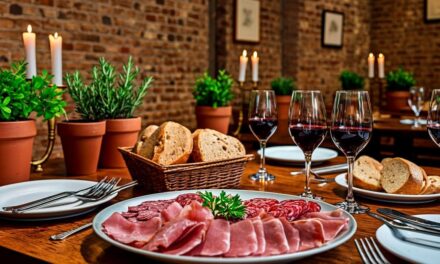
For cheese lovers, the fromagerie stalls at any good market are treasure troves. Try Comté (nutty, complex aged cheese), Brie de Meaux (the original Brie, creamy and earthy), and Roquefort (intense blue cheese). Ask the fromagier for a taste — they’re always happy to let you try before you buy. For meat, look for the boucheries that display whole animals — this is a sign of quality and artisanal butchery. The charcuterie stalls offer pâté, saucisson sec, rillettes, and other cured meats perfect for a picnic. For fruit, buy what’s in season — Gariguette strawberries in April, white peaches in July, figs in September, and citrus in winter. Finally, don’t miss the marché aux fleurs on the Île de la Cité — while not a food market, it’s the most beautiful market in Paris and has been operating since 1808.
Understanding French Dining Culture
French dining is fundamentally different from dining in most other countries, and understanding the cultural norms will transform your restaurant experience. The French eat three meals a day: a light breakfast (usually coffee and a pastry or bread with butter and jam), a substantial lunch (traditionally the main meal, served from noon to 2 PM), and dinner (served from 7:30 PM to 10 PM). Between lunch and dinner, many restaurants close their kitchens entirely — arriving at 5 PM and expecting a full meal will be met with disappointment. The classic French dinner structure is: apéritif (a pre-dinner drink like kir, champagne, or pastis), entrée (starter), plat (main course), fromage (cheese course — optional but recommended), dessert, then café (espresso) and perhaps a digestif (brandy, calvados, or cognac).
Ordering two courses (starter + main or main + dessert) is perfectly normal and the most common approach. A ‘formule’ or ‘menu’ (not to be confused with the physical menu — it’s a set menu offering 2-3 courses at a fixed price) is almost always the best value. The ‘plat du jour’ (dish of the day) is typically the freshest option and showcases seasonal ingredients. When ordering wine, ask the sommelier or waiter for a recommendation by the glass or carafe — house wines are often excellent and much cheaper than bottles. If you want tap water (which is perfectly safe and free), ask for a ‘carafe d’eau’ — the waiter will bring a complimentary pitcher. Bottled water costs 3-6 euros and is non-refundable once opened. The bill will not arrive until you ask for it — say ‘L’addition, s’il vous plaît’ when you’re ready to leave. There’s no pressure to leave quickly; in fact, lingering after a meal is expected and appreciated.
Best Cafes for Coffee and People-Watching
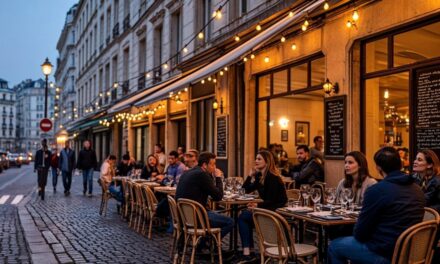
The Parisian cafe is an institution, and spending time on a cafe terrace is one of the essential Paris experiences. The great cafes of Paris have served as gathering places for writers, artists, philosophers, and politicians for centuries. Café de Flore and Les Deux Magots in Saint-Germain-des-Prés are the most famous — Sartre, de Beauvoir, and Hemingway all drank here. Yes, they’re expensive and touristy, but sitting at one of their outdoor tables on a sunny afternoon is an iconic experience worth having at least once. A coffee (espresso) costs about 5-7 euros at these legendary cafes, and you’re paying as much for the setting and history as for the drink.
For better coffee at better prices, head to the specialty coffee scene that has exploded in Paris over the past decade. KB CafeShop (multiple locations), Telescope (5th arrondissement), Boot Cafe (tiny but beloved in the 11th), and Fondation (11th) serve some of the best espresso in the city. For a classic Parisian terrace experience without the tourist premium, try Café de la Mairie on Place Saint-Sulpice, Café des Deux Moulins in Montmartre (famous from the film ‘Amélie’), or Le Petit Pont near Notre-Dame. For late-night drinks, the cafes on Place du Marché Sainte-Catherine in the Marais are lively and charming. Remember: in Paris, you pay for the seat, not just the drink. You can sit at a cafe table for two hours on the price of a single espresso, and no one will rush you. This is not a bug — it’s a feature of French cafe culture.
Sweet Treats: Paris’s Best Patisseries
Paris is home to some of the world’s greatest pastry chefs, and visiting a patisserie is a feast for the eyes as well as the palate. Pierre Hermé is widely considered the king of modern French pastry — his macarons are in a league of their own, and his seasonal collections push the boundaries of flavor and presentation. His flagship store at 72 Rue Bonaparte in the 6th arrondissement is a must-visit. Ladurée, the other famous macaron house, has beautiful tearooms on the Champs-Élysées and Rue Royale — the atmosphere is more traditional and the experience feels like stepping into a Belle Époque salon.
For something beyond macarons, visit Stohrer (51 Rue Montorgueil), Paris’s oldest patisserie (opened in 1730), famous for its Puits d’Amour (‘well of love’ — a caramel-filled pastry) and baba au rhum. Jacques Genin at 133 Rue de Turenne is a chocolatier and patissier whose caramels, éclairs, and tarte au citron are extraordinary — the chic, minimalist boutique is worth the trip to the Marais alone. For choux pastry, visit Popelini (6th arrondissement), which specializes exclusively in cream puffs in dozens of flavors. For bread and viennoiseries, we’ve already covered the best bakeries above. For chocolate, Patrick Roger (multiple locations) creates spectacular chocolate sculptures alongside some of the finest artisanal chocolate in the world. And for something truly unique, visit Un Dimanche à Paris (4th arrondissement), a chocolate concept store with a cafe, chocolate bar, and pastry counter — it’s an all-day chocolate experience.
Wine and Cheese: The Essential Pairing Guide
French wine and cheese are natural companions, and understanding their pairing elevates both. Visit a good caviste (wine shop) like Lavinia (4th arrondissement), Septime La Cave (11th), or Le Verre Volé (10th) for expert recommendations. For white wines, a Sancerre or Pouilly-Fumé from the Loire Valley pairs beautifully with fresh goat cheese (chèvre). A Chablis from Burgundy is perfect with oysters or mild Comté. For red wines, a Bordeaux (Médoc or Saint-Émilion) pairs with aged cheeses like Cantal or Ossau-Iraty. A Burgundy Pinot Noir is ideal with soft cheeses like Époisses or Brillat-Savarin. A Côtes du Rhône works well with strong blue cheeses like Roquefort. For sparkling wine, a Champagne or Crémant d’Alsace is versatile enough to pair with almost any cheese.
For the best cheese experience, visit a fromagerie rather than buying pre-packaged from a supermarket. In Paris, excellent fromageries include Laurent Dubois (7th arrondissement), Quatrehomme (7th and 15th), and Barthélemy (7th). The fromagier will ask when you plan to eat the cheese and cut it to the perfect ripeness. A good rule of thumb: buy 100-150 grams of cheese per person, choose 3-5 different varieties with different textures and milk types (cow, goat, sheep), and let them sit at room temperature for 30-60 minutes before eating to allow the flavors to fully develop. Serve with a fresh baguette, some walnuts, and maybe a bit of honey or fig jam. This simple preparation, enjoyed with a good bottle of wine and perhaps some charcuterie, is one of the great pleasures of a Paris evening.
Frequently Asked Questions
How much should I budget for food per day?
Budget travelers can eat well for 25-40 euros per day (bakery breakfast, street food or market picnic for lunch, casual bistro dinner). Mid-range travelers should budget 50-80 euros per day (cafe breakfast, bistro lunch, restaurant dinner). Fine dining budgets vary widely but expect 100+ euros per person for a Michelin-starred meal.
Do I need to make restaurant reservations?
For dinner, especially on weekends, yes — use TheFork app for discounts and easy booking. For lunch, reservations are recommended but not always essential — popular places fill up by 1 PM. For Michelin-starred and highly acclaimed restaurants, book 2-4 weeks in advance.
Is it safe to eat street food in Paris?
Absolutely. Paris has excellent street food including crêpes, falafel, jambon-beurre baguettes, and fresh waffles. The falafel from L’As du Fallafel in the Marais is legendary and perfectly safe. Use common sense: choose vendors with long lines (high turnover means fresh food) and avoid anything that looks like it’s been sitting out.
Are Paris restaurants open on Mondays?
Many restaurants close on Mondays, especially smaller bistros. Always check the restaurant’s website or Google listing before heading out. Larger restaurants and hotel restaurants typically stay open. Mondays are actually a great day to explore the city’s food markets, which operate as normal.
What’s the best food neighborhood in Paris?
The 11th arrondissement, specifically the area around Oberkampf, Charonne, and Bastille, has the highest concentration of excellent restaurants, wine bars, and food shops in Paris. It’s the neighborhood where young chefs open their first restaurants, and the quality-to-price ratio is outstanding. The 3rd/4th (Le Marais) and the 5th (Latin Quarter) are also excellent food neighborhoods.