Palace of Versailles: The Ultimate Day Trip from 3 days in Paris
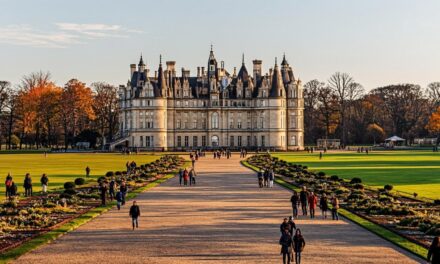
The Palace of Versailles is one of the most spectacular and historically significant landmarks in Europe. Located approximately 20 kilometers southwest of Paris, this UNESCO World Heritage Site attracts over 8 million visitors per year, making it one of the most visited attractions in France. Built by Louis XIV in the 17th century as a monument to absolute royal power, the chateau and its magnificent gardens represent the pinnacle of French art, architecture, and landscape design. A day trip to Versailles is one of the most rewarding experiences you can have during a Paris vacation, offering a perfect blend of history, art, nature, and royal grandeur. This complete guide covers everything you need to plan your visit, from transportation and tickets to the must-see highlights and practical tips for making the most of your day.
How to Get to Versailles from Paris
There are several ways to reach Versailles, but the most convenient and affordable is by train. The RER C line connects central Paris (stations include Saint-Michel, Musée d Orsay, Invalides, Pont de l Alma, and Champ de Mars) to Versailles Château Rive Gauche station in approximately 35-45 minutes. A one-way ticket costs about 4 euros with a standard T+ ticket or is included in the Navigo pass (zones 1-5). The train runs every 15-20 minutes during the day. From the station, it is a pleasant 10-minute walk through the charming town of Versailles to the palace entrance. Alternatively, you can take a SNCF train from Paris Gare Saint-Lazare to Versailles Rive Droite station (about 40 minutes), which is closer to the town center but slightly further from the palace. Driving is possible but not recommended due to heavy traffic and limited parking near the palace. For more, see our guide to getting around Paris cheaply. For more details, check out our RER train guide.
Versailles Tickets and Prices
Several ticket options are available depending on what you want to see:
- Palace ticket: 21 euros (access to the Grands Appartements, Hall of Mirrors, and royal chapel)
- Estate of Trianon ticket: 12 euros (access to the Grand Trianon, Petit Trianon, and Queen Hamlet)
- Passport ticket: 27 euros (access to the palace, Trianon estate, temporary exhibitions, and gardens on Musical Fountain Show days)
- Gardens-only: Free from November through March, 10 euros on Musical Fountain Show and Musical Gardens days (April through October)
- Free admission: Under 18, EU residents under 26, disabled visitors, first Sunday of January, February, March, November, and December
The Passport ticket offers the best value for a full-day visit. Tickets can be purchased online at chateauversailles.fr or at the palace entrance. Online booking is strongly recommended during peak season (April through October) as queues can be very long. For more, see our guide to Fontainebleau day trip.
The Must-See Highlights
The Hall of Mirrors (Galerie des Glaces)
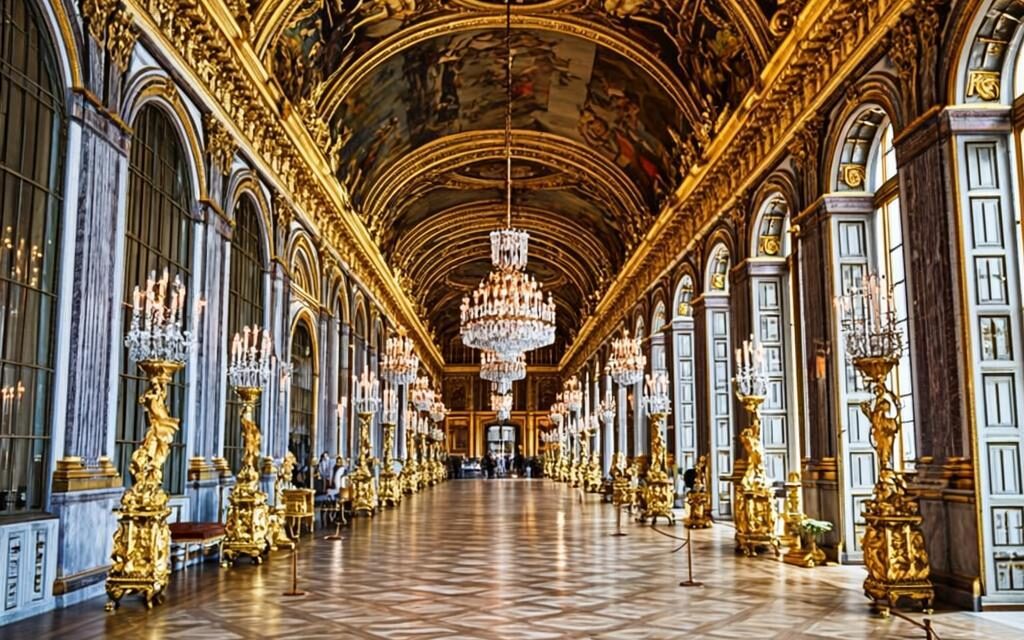
The Hall of Mirrors is the most iconic room in the Palace of Versailles and one of the most famous rooms in the world. Stretching 73 meters long and 10.5 meters wide, the hall features 357 mirrors reflecting the gardens through 17 large windows on the opposite wall. Created by Jules Hardouin-Mansart and decorated by Charles Le Brun, the hall was designed to demonstrate the power and wealth of Louis XIV. The ceiling features 30 paintings depicting the military victories of Louis XIV during the first 18 years of his reign. The Hall of Mirrors was also the site of the signing of the Treaty of Versailles in 1919, which officially ended World War I. This room alone makes the trip to Versailles worthwhile and is always the most crowded area of the palace.
The Royal Apartments
The Grands Appartements (State Apartments) consist of seven rooms that served as the official reception rooms for the king. Each room is dedicated to a classical deity and features elaborate ceiling paintings, gilded woodwork, marble walls, and crystal chandeliers. The King Bedchamber is particularly impressive, with its ceremonial bed surrounded by gold brocade curtains. The Queen Grand Apartment, used by Marie Antoinette, offers a more intimate glimpse of royal domestic life with its sumptuous furnishings and personal touches. The Hercules Salon, the largest and most opulent of the state rooms, features a monumental ceiling painting by François Lemoyne depicting the Apotheosis of Hercules.
The Gardens
The gardens of Versailles, designed by André Le Nôtre between 1661 and 1700, are among the most magnificent in the world and cover approximately 800 hectares. The formal French garden features perfectly symmetrical layouts, geometric flower beds, over 400 sculptures, 50 fountains, and the spectacular Grand Canal stretching 1,600 meters. The gardens are a work of art in themselves, designed to extend the grandeur of the palace into the natural landscape. Walking the full length of the gardens from the palace to the Grand Canal and back covers approximately 8 kilometers. Golf carts, bicycles, and a small train are available for rent if you prefer not to walk. The gardens are free to enter from November through March but require a ticket on Musical Fountain Show and Musical Gardens days (Tuesdays, Fridays, Saturdays, and Sundays from April through October).
Marie Antoinette Private Estate
The Trianon estate was Marie Antoinette personal retreat, where she escaped the rigid formality of court life. The Grand Trianon, built by Louis XIV as a retreat from the main palace, features stunning pink marble columns and elegant rooms. The Petit Trianon, a smaller neoclassical chateau, was given to Marie Antoinette by Louis XVI and decorated entirely according to her personal taste. The Queen Hamlet (Hameau de la Reine) is a rustic village with a farmhouse, dairy, mill, and thatched cottages where Marie Antoinette played at being a simple countrywoman. The hamlet is charming and picturesque, with farm animals, vegetable gardens, and a small lake. This area is often the highlight of a Versailles visit for many people, as it offers a more personal and intimate glimpse into the life of one of history most fascinating figures.
Practical Tips for Your Visit
- Arrive early (before 9 AM) to avoid the worst crowds at the palace. Visit the gardens first when they open at 8 AM (April-October) and then tour the palace later in the morning.
- Allow a full day. The palace takes 2-3 hours, the gardens 3-4 hours, and the Trianon estate 1-2 hours.
- Bring food and water. Palace restaurants are expensive and queues can be long. Pack a picnic to enjoy in the gardens.
- Wear comfortable shoes. You will walk 10-15 kilometers during a full-day visit.
- Check the fountain show schedule. The Musical Fountain Shows (Spectacles Musicaux des Grandes Eaux) are held on Saturdays, Sundays, and Tuesdays from April through October, with all fountains and water features activated simultaneously. This is the most spectacular time to visit the gardens.
- Take the petit train (small tourist train) from the palace to the Grand Canal and Trianon estate if you have limited mobility or are visiting with young children. Tickets cost about 8 euros.
A day trip to Versailles is an experience that will stay with you forever. The sheer scale and opulence of the palace, the beauty of the gardens, and the fascinating history that permeates every room and pathway make this one of the most rewarding best day trips from Paris any capital city in the world. Whether you are a history enthusiast, an art lover, or simply someone who appreciates beauty and grandeur, Versailles will exceed your expectations. Plan your visit carefully, arrive early, and prepare to be transported into the world of French royalty at its most magnificent.
Related: best tours and activities
Ready to book? Paris Museum Pass includes Versailles.