The Louvre Museum: Your Complete Visitor Guide for 2026
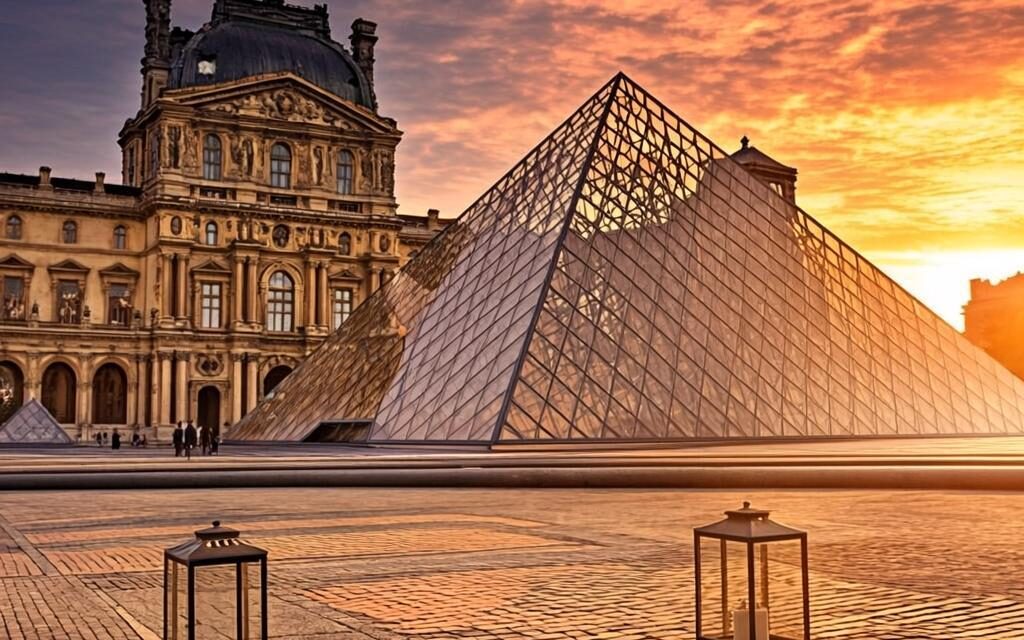
The Louvre is the largest and most visited art museum in the world, welcoming approximately 10 million visitors annually. Spanning over 72,000 square meters and housing a collection of more than 380,000 objects (with 35,000 on display), the Louvre is not just a museum but an entire cultural experience that could take weeks to explore fully. Originally built as a fortress in the late 12th century and later transformed into a magnificent royal palace, the Louvre became a public museum during the French Revolution in 1793. Today, it stands as the ultimate symbol of art, history, and human creativity. This comprehensive guide covers everything you need to know to make the most of your visit, from ticket purchasing and logistics to the must-see masterpieces and insider strategies for avoiding the crowds.
Louvre Tickets and Prices for 2026
Standard admission to the Louvre costs 17 euros for adults. Admission is free for visitors under 18, EU residents aged 18-25, teachers, disabled visitors and their companions, and active military personnel. The museum offers several special ticket options: the standard ticket valid for one entry on the chosen date, and the Paris Paris Museum Pass (55 euros for 2 days, 70 euros for 4 days) which includes Louvre entry along with 60+ other attractions. Tickets are available online at louvre.fr and should be booked at least 2-4 weeks in advance for peak season visits. The museum is free on the first Sunday of each month from November through March. Self-guided audio best tours and activities in Paris are available in multiple languages for 5 euros at the entrance.
Opening Hours and Best Times to Visit
The Louvre is open Wednesday through Monday from 9:00 AM to 6:00 PM, with late night opening until 9:45 PM on Wednesdays and Fridays. The museum is closed on Tuesdays, January 1, May 1, and December 25. The best time to visit is on weekday mornings, arriving before 9:30 AM when the gates first open. Wednesday and Friday evenings (after 6 PM) are also excellent, as the crowds thin out significantly and the atmosphere is more relaxed. The worst times to visit are Saturday and Sunday mornings, when the museum is at its busiest. The Mona Lisa room is most crowded between 10 AM and 2 PM, so plan to visit other wings during peak hours and return to the Mona Lisa during late afternoon or evening hours. For more, see our guide to best things to do in Paris.
The 10 Must-See Masterpieces
1. Mona Lisa (La Joconde)
Painted by Leonardo da Vinci between 1503 and 1519, the Mona Lisa is arguably the most famous painting in the world. The small portrait (77 cm by 53 cm) hangs in the Salle des États in the Denon Wing, protected by bulletproof glass and constantly surrounded by crowds. Despite its relatively modest size, the painting exerts an almost magnetic pull on visitors. The enigmatic smile, the masterful use of sfumato technique, and the painting storied history (including its theft in 1911) have made it an enduring cultural icon. To see the Mona Lisa with the fewest other visitors, visit during the last two hours before closing or on Wednesday/Friday evenings. For more, see our guide to 3 days in Paris.
2. Venus de Milo
This ancient Greek marble sculpture, created around 100 BC, depicts the goddess Aphrodite (Venus) and is one of the most celebrated works of ancient art in the world. Discovered on the Greek island of Milos in 1820, the statue stands 204 cm tall and is notable for its missing arms, which have become part of its mystique. The sculpture is located on the ground floor of the Sully Wing in Room 16 (Galerie des Antiques). The Venus de Milo represents the ideal of feminine beauty in classical Greek art and is considered one of the three most important ancient sculptures in the world, alongside the Winged Victory of Samothrace (also in the Louvre) and the Apollo Belvedere (in the Vatican).
3. Winged Victory of Samothrace
Created around 190 BC to commemorate a naval victory, this magnificent marble sculpture depicts the goddess Nike (Victory) standing on the prow of a warship. The statue, standing 244 cm tall, conveys a remarkable sense of forward motion and triumph despite being carved from solid stone. The wind-blown drapery appears almost transparent, and the figure spreads its wings in a gesture of victory that has inspired artists for over two millennia. The sculpture is dramatically displayed at the top of the Daru staircase in the Denon Wing, where it makes an unforgettable first impression on visitors entering from the main entrance. The Winged Victory is considered one of the masterpieces of Hellenistic sculpture and is one of the most photographed works in the Louvre.
4. The Coronation of Napoleon by Jacques-Louis David
This monumental painting (621 cm by 979 cm) depicts the coronation of Napoleon Bonaparte as Emperor of France at Notre-Dame Cathedral on December 2, 1804. Painted by Jacques-Louis David between 1805 and 1807, the work is a masterpiece of Neoclassical art and political propaganda. The painting fills an entire wall of the Salle Daru in the Denon Wing and features over 100 meticulously rendered figures, including Napoleon, Josephine, Pope Pius VII, and various dignitaries. The scale and detail of the work are breathtaking, and it offers a fascinating glimpse into the political pageantry of the Napoleonic era.
5. Liberty Leading the People by Eugène Delacroix
This iconic painting from 1830 commemorates the July Revolution of 1830 and depicts the allegorical figure of Liberty (Marianne) leading revolutionaries over a barricade. The painting has become one of the most recognizable symbols of French republicanism and the struggle for freedom. Located in the Denon Wing (Room 77), the work is notable for its dramatic composition, vivid colors, and the figure of Liberty herself, who strides forward holding the tricolor flag with one hand and a musket with the other. The painting continues to resonate as a universal symbol of popular revolution and democratic aspiration.
Additional must-see works include the Code of Hammurabi (one of the oldest known legal codes, dating to 1754 BC), the Great Sphinx of Tanis (a magnificent granite sphinx from ancient Egypt), The Raft of the Medusa by Géricault (a powerful depiction of a shipwreck), The Wedding at Cana by Veronese (the largest painting in the Louvre), and the Crown Jewels of France in the Apollo Gallery.
Practical Tips for Visiting the Louvre
- Enter through the Carrousel du Louvre (the underground shopping mall entrance) rather than the Glass Pyramid for shorter security lines.
- Plan 2-4 hours for a focused visit. You cannot see everything in one day, so choose 2-3 wings and concentrate on those.
- Wear comfortable shoes. The museum covers approximately 15 kilometers of corridors and galleries.
- Download the Louvre app for interactive maps and audio commentary in multiple languages.
- Eat at the museum cafeteria (near the Pyramid) or bring a picnic to enjoy in the Tuileries Garden afterward.
- Visit the lower floors first as they are less crowded than the ground floor where the Mona Lisa is located.
- Free cloakroom is available near the entrance for coats and bags. Large bags and luggage are not permitted.
The Louvre is more than just a museum; it is a journey through the history of human civilization, from ancient Mesopotamia to 19th-century France. Whether you are an art expert or a first-time visitor, the experience of walking through these magnificent galleries, surrounded by the greatest works of human creativity, is one that will stay with you forever. Plan wisely, arrive early, and prepare to be amazed.
Related: family-friendly museums in Paris
Ready to book? buy the Museum Pass for Louvre skip-the-line access.