Champagne Day Trip from Paris: The Ultimate Guide to Reims, Épernay & Wine Tasting (2026)
A Champagne day trip from Paris is one of the most indulgent and rewarding experiences you can have in France. Just 90 minutes by train from the capital, the Champagne region — a UNESCO World Heritage landscape of rolling vineyards, historic cellars, and charming villages — produces the world’s most celebrated sparkling wine. Whether you are a seasoned oenophile or a casual wine lover who simply enjoys a glass of bubbly, visiting the prestigious Maison de Champagne houses in Reims and Épernay offers an unforgettable behind-the-scenes look at how champagne is made, from grape to glass. This guide covers everything you need to plan the perfect Champagne day trip from Paris, including the best tours, tastings, transport options, and insider tips. For more details, check out our RER train guide.
Reims vs Épernay: Which Champagne City Should You Visit?
Reims: The Grand Cathedral City
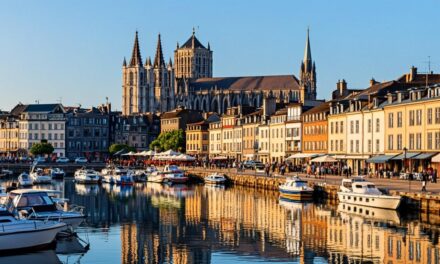
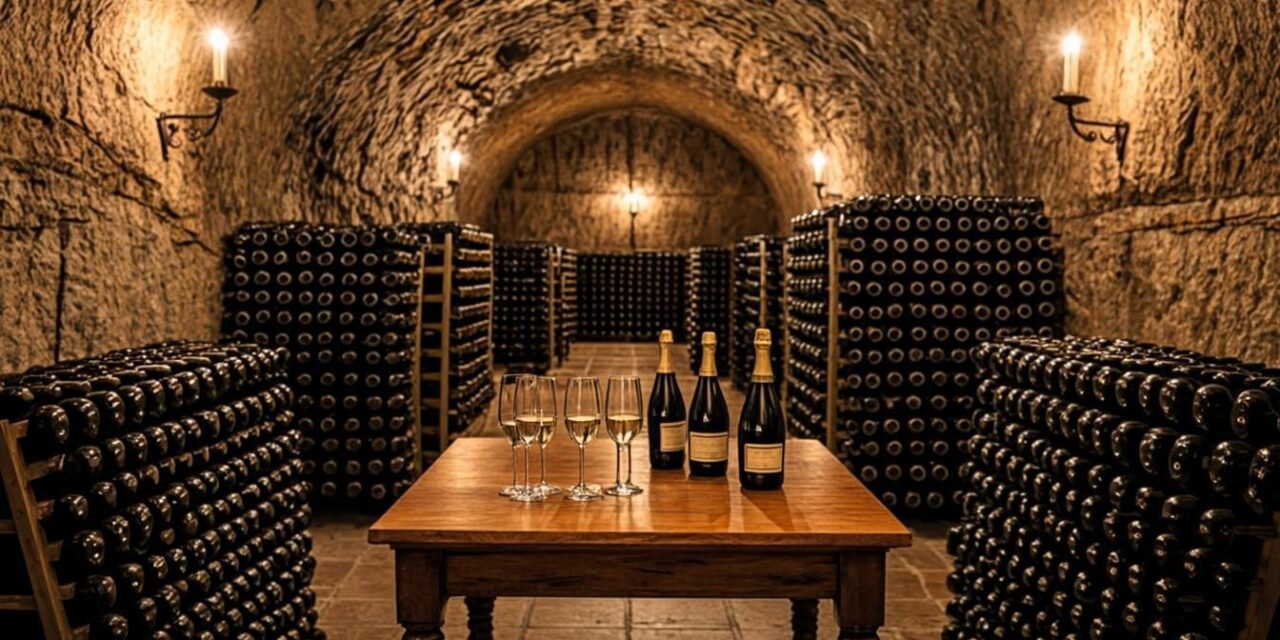
Reims (pronounced “rance”) is the larger and more historic of the two main Champagne cities, famous worldwide as the coronation site of French kings. Its magnificent Cathédrale Notre-Dame de Reims — where 33 French monarchs were crowned over nearly 1,000 years — is a Gothic masterpiece that rivals Paris’s Notre-Dame and features stunning stained glass windows designed by Marc Chagall. Beyond the cathedral, Reims is home to several of the most prestigious champagne houses, including Veuve Clicquot, Taittinger, Pommery, and Ruinart (the oldest champagne house, founded in 1729). Most of these houses offer guided cellar tours that take you deep underground into the crayères — ancient Roman chalk quarries that stretch for kilometres beneath the city and maintain a constant temperature of 10-12°C, providing the perfect conditions for ageing champagne. For more, see our guide to Mont Saint-Michel day trip.
Épernay: The Capital of Champagne
Épernay is a smaller, more intimate town that serves as the commercial heart of the Champagne industry. Its famous Avenue de Champagne — lined with grand mansions housing champagne producers including Moët & Chandon, Perrier-Jouët, Pol Roger, and Merchet — has been called “the most expensive avenue in the world” due to the millions of bottles of champagne ageing in the cellars beneath it. Épernay feels more personal and walkable than Reims, and its proximity to the surrounding vineyards makes it an excellent base for exploring the Grands Crus villages of the Marne Loire Valley day trip, including Hautvillers (where Dom Pérignon supposedly invented champagne), Aÿ, and Bouzy.
How to Get to the Champagne Region from Paris
By Train (Recommended)
The TGV high-speed train from Gare de l’Est to Reims takes just 45 minutes and costs approximately €25-40 each way when booked in advance. To reach Épernay, take the TER regional train from Gare de l’Est, which takes approximately 1 hour and 15 minutes and costs around €20-30. For the most efficient day trip, consider taking the TGV to Reims in the morning and returning from Épernay (or vice versa), allowing you to experience both cities. Trains run frequently throughout the day, with the last return train to Paris departing around 9 PM.
By Guided Tour
Guided champagne tours from Paris are extremely popular and offer excellent value. Companies like GetYourGuide, Ophorus, and Paris City Vision operate full-day tours (typically 8-10 hours) that include round-trip transport from Paris, visits to multiple champagne houses, guided cellar tours, and generous tastings. Prices range from €100-180 per person depending on the number of houses visited and whether lunch is included. The small-group premium tours that visit smaller, family-run producers alongside the famous houses offer the most authentic experience and are highly recommended.
By Car
Driving to Reims takes approximately 1 hour 15 minutes via the A4 autoroute (toll approximately €10 each way). To Épernay, allow approximately 1 hour 30 minutes via the A4 and N44. Having a car gives you the freedom to explore the vineyard villages at your own pace, but be aware that champagne tastings and driving do not mix — designate a driver or plan to use taxis between tastings.
Best Champagne Houses to Visit
Must-Visit in Reims
Veuve Clicquot is perhaps the most famous champagne house in the world, and its cellar tour in Reims is exceptional. The tour takes you through 24 km of underground crayères while explaining the fascinating story of Barbe-Nicole Clicquot Ponsardin, the widow who revolutionised champagne production in the early 19th century. The tour concludes with a tasting of the Yellow Label Brut and, depending on the tour selected, the prestigious La Grande Dame. Book well in advance, as this is one of the most popular tours in the region.
Pommery offers one of the most visually stunning cellar experiences in Champagne. Founded in 1858, Pommery’s cellars feature contemporary art installations alongside the traditional champagne ageing process. The estate’s commitment to art and culture makes it a unique experience that goes beyond a standard wine tasting. Their Blanc de Blancs and Rosé are particularly outstanding.
Taittinger is known for its elegant, accessible champagnes and its impressive cellar located beneath the 4th-century Abbey of Saint-Nicaise. The tour includes Roman-era chalk quarries, Gallo-Roman artefacts discovered during cellar excavations, and a generous tasting that typically includes the Brut Réserve and Comtes de Champagne (their prestige cuvée).
Must-Visit in Épernay
Moët & Chandon is the world’s largest champagne producer, and a visit to its headquarters on Avenue de Champagne is a bucket-list experience for any champagne lover. The tour covers 28 km of cellars and explains the champagne-making process in fascinating detail. The tasting includes the iconic Impérial Brut and the prestige Grand Vintage. At approximately €30 per person, it offers exceptional value.
Dom Pérignon — while the famous monk did not actually invent champagne (despite popular myth), the village of Hautvillers where he served as cellarmaster at the Benedictine Abbey is a beautiful 15-minute drive from Épernay and offers panoramic views of the Marne Valley vineyards. The abbey itself is privately owned by Moët & Chandon but can be visited on certain tours.
Champagne Tasting Tips for Beginners
If you are new to champagne tasting, here are the key things to know. Non-vintage (NV) champagne is the house’s signature blend, created consistently year after year by blending wines from multiple vintages and vineyards. Vintage champagne is produced only in exceptional years from a single harvest and tends to be more complex and expensive. Blanc de Blancs is made entirely from Chardonnay grapes and tends to be lighter, more acidic, and more elegant. Blanc de Noirs is made from Pinot Noir and/or Pinot Meunier and is typically fuller-bodied with red fruit character. Rosé champagne can be made either by blending a small amount of red Pinot Noir wine into the champagne or by allowing the juice to macerate on red grape skins.
When tasting, observe the bubbles (fine and persistent indicates quality), note the aromas (citrus, brioche, toasted nuts, and white flowers are common), and pay attention to the balance between acidity, fruit, and the creamy texture created by the secondary fermentation. A good cellar tour guide will walk you through all of this, so do not be intimidated if you are a beginner — champagne producers are passionate about sharing their knowledge and love having curious visitors.
Planning Your Champagne Day Trip: Sample Itinerary
A well-planned Champagne day trip could look like this: depart Paris on the 8 AM TGV to Reims, arriving at 8:45 AM. Visit the Reims Cathedral at 9 AM, then head to your first champagne house tour at 10 AM (book Veuve Clicquot or Taittinger). After the tour and tasting, enjoy lunch in Reims at a local bistro — try Le Boulingrin for traditional French cuisine or Café du Palais for classic brasserie fare. In the afternoon, take the train or a 30-minute taxi to Épernay (€35-40), visit Moët & Chandon on Avenue de Champagne, and explore the charming town centre before returning to Paris on the 7 PM train.
Budget approximately €150-200 per person for a self-guided day trip (including train tickets, two champagne house tours with tastings, and lunch) or €100-180 per person for an all-inclusive guided tour from Paris. Either way, a Champagne day trip is an experience that delivers exceptional value for money — you are not just tasting wine, you are experiencing one of France’s most important cultural and gastronomic traditions in the very place where it has been practised for centuries. For more details, check out our guide to best day trips from Paris.