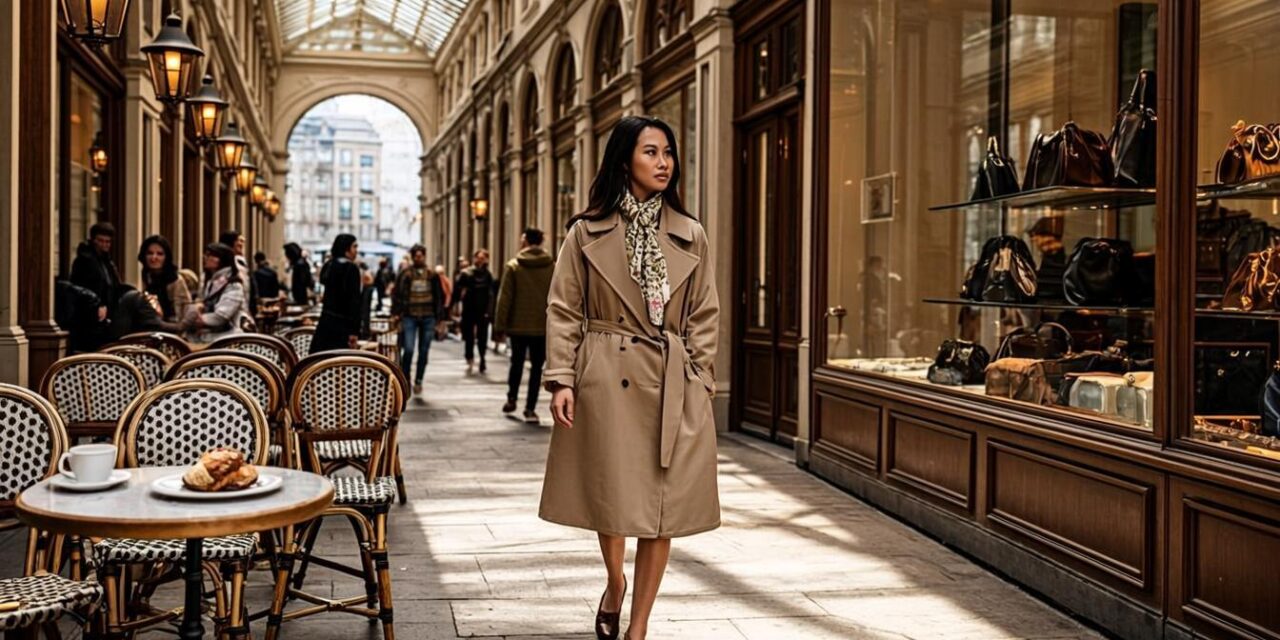
Flânerie is a uniquely French word that has no direct English translation. It means the art of strolling — of alternative transport in Paris through the city without purpose, observing, absorbing, and savouring the urban landscape with the attention of an artist and the leisure of a philosopher. In Paris, flânerie is not just a pastime; it is a way of life, a cultural practice that has been celebrated by writers from Baudelaire to Benjamin, and one of the most luxurious experiences you can have in the City of Light.
To flâner properly is to slow down. It is to resist the temptation to rush from one tourist sight to the next, to put away your phone, and to simply be present in one of the most beautiful cities on earth. It is to notice the way the afternoon light falls on Haussmann’s limestone façades, to pause at a window display that catches your eye, to follow a side street that looks intriguing, and to let the city guide you rather than the other way around.
This guide presents five luxury flânerie routes through Paris’s most beautiful neighbourhoods — each designed for a slow, indulgent walk that reveals the city’s hidden gems in Paris elegance. For more, see our guide to Paris five neighborhoods guide.
Route 1: The Covered Passages of the 2nd Arrondissement
Start at the Passage des Panoramas (the oldest covered passage in Paris, opened in 1800) and wind your way through the Galerie Vivienne (the most beautiful, with its stunning mosaic floor), the Passage Jouffroy (with its charming toy shops and book dealers), and the Passage Verdeau. These 19th-century shopping arcades were the precursors to the modern department store, and they remain magical spaces filled with antique dealers, stamp collectors, rare book shops, and intimate cafés. The Galerie Vivienne in particular is a masterpiece of glass and iron architecture, and its café — Bistrot Vivienne — is one of the most atmospheric lunch spots in Paris. Budget 1.5–2 hours for this route, including a coffee stop.
Route 2: Saint-Germain to the Luxembourg Gardens
Begin at Café de Flore on Boulevard Saint-Germain (yes, it is expensive and touristy, but ordering a single coffee at the exact table where Sartre and de Beauvoir once sat is a flânerie rite of passage). From there, walk up the Rue Bonaparte, past the elegant shop windows of luxury chocolate makers and perfume houses, to the Jardin du Luxembourg. Enter the garden through the grand gates on Rue de Médicis and follow the tree-lined allée to the Medici Fountain — one of the most romantic spots in all of Paris. Sit on one of the iconic green metal chairs, watch the Parisians go about their day, and let the peace of the garden wash over you.
Route 3: Le Marais Hidden Courtyards
Start at the Place des Vosges and explore the surrounding streets of Le Marais, where hidden courtyards and private mansions lurk behind unassuming doors. Walk down the Rue des Francs-Bourgeois, turning into every side passage you encounter. You will discover the Cour de l’Hôtel de Sully, a magnificent Renaissance courtyard, and the Cour du Commerce Saint-André, a cobblestone alley that was once the site of Dr. Guillotin’s workshop. The Marais rewards slow exploration — every corner has a story, every doorway leads to a surprise.
Route 4: The Islands — Île Saint-Louis and Île de la Cité
Cross the Pont Saint-Louis to the Île Saint-Louis, the smaller and more charming of Paris’s two river islands. This tiny island feels like a village frozen in time, with narrow streets, art galleries, and the legendary Berthillon ice cream shop. Walk the full perimeter of the island, stopping to admire the views of the Seine and the Left Bank. Then cross to the Île de la Cité to see Notre-Dame (under reconstruction but still magnificent from outside) and the beautiful Sainte-Chapelle with its stunning stained glass. End with a walk along the Quai de la Tournelle at sunset, when the light turns the Seine to gold.
Route 5: Montmartre Beyond the Crowds
Avoid the tourist trap of the Place du Tertre and instead explore the back streets of Montmartre that most visitors never see. Start at the Moulin de la Galette (the historic windmill and former dance hall immortalised by Renoir), then walk down the Rue Lepic with its bustling food market and authentic local shops. Continue to the Clos Montmartre, the hidden vineyard, and the Rue de l’Abreuvoir (the most photographed street in Montmartre, with its pastel-coloured houses and vine-covered walls). End at the Sacré-Cœur for sunset — the view is worth the climb, even if you have seen it in photos a thousand times.
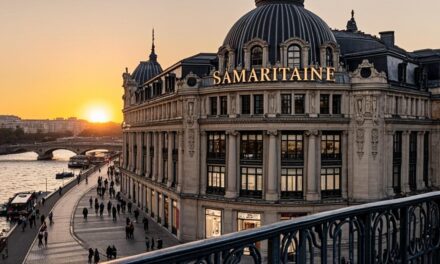
La Samaritaine: After the passages, walk to the newly restored La Samaritaine department store — one of the most spectacular retail spaces in the world. Even if you are not shopping, the restored Art Nouveau Grand Hall with its nine-storey glass-and-steel atrium is a must-see. Ride the escalators through the levels, admire the peacock-feather ironwork and the painted ceilings, then head to the rooftop terrace for one of the finest panoramic views in Paris. The terrace is free and open during store hours — arrive at sunset for a magical experience. Budget 45 minutes to 1 hour.
Continue to the Louvre colonnade: From Samaritaine, cross the Pont Neuf (the oldest bridge in Paris, built in 1607) and walk along the Seine to the Louvre. Do not go inside — instead, admire the magnificent colonnade designed by Claude Perrault in the 17th century. Walk through the Passage Richelieu and emerge into the Palais Royal, one of the most elegant squares in Paris, famous for its striped Buren columns and its peaceful garden.
The art of flânerie is the art of slowing down, of treating the city itself as your museum, your gallery, your theatre. In Paris, where every street is a work of art and every corner holds a story, this is the most luxurious experience of all — and it costs absolutely nothing.
Related: Montmartre
Related: best walking shoes