Introduction: Why Paris Is the Jazz Capital of Europe
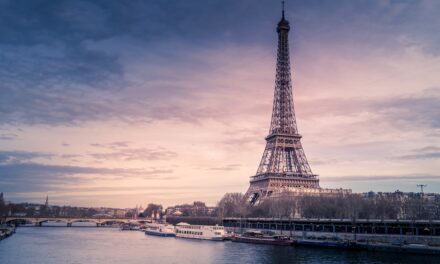
If there is one city outside the United States that can legitimately claim to be a spiritual home of jazz, it is Paris. The story of jazz in the French capital stretches back over a century, woven into the very fabric of the city’s cultural identity. In the 1920s and 1930s, during the years between the World Wars, Paris became a magnet for African American musicians seeking refuge from the racial segregation and discrimination that plagued the United States. They found not only an eager audience but also a society that celebrated their artistry with genuine enthusiasm and intellectual curiosity. For more details, check out our guide to chasing jazz in Paris.
Legends like Josephine Baker arrived in 1925 and became an overnight sensation at the Théâtre des Champs-Élysées, enchanting Parisian audiences with her charismatic performances and magnetic stage presence. Sidney Bechet, the brilliant New Orleans clarinetist and soprano saxophonist, moved to Paris in the late 1940s and became one of the city’s most beloved musical figures, spending his final years performing to devoted crowds. The great Django Reinhardt, a Belgian-born Romani-French guitarist, developed his revolutionary “gypsy jazz” style right here in Paris, blending traditional Romani music with American swing to create something entirely new. And venues like Club Ebony in Montmartre became legendary gathering spots where expatriate American musicians jammed alongside French artists into the small hours of the morning.
That legacy lives on today. Paris is home to more jazz clubs per capita than almost any other city in the world, ranging from intimate cellar bars that seat thirty people to grand concert halls hosting international superstars. Whether you are a devoted jazz aficionado who can tell a Monk recording from a Peterson one by the first three notes, or a curious traveler simply looking for an unforgettable evening of live music venues in Paris, Paris has a venue that will speak directly to you. For more details, check out our guide to best wine bars in Paris.
This guide covers the 12 best jazz clubs in Paris for 2026, organized by arrondissement so you can easily plan your evenings around the neighborhoods you are exploring. Each venue has been selected for its unique character, musical quality, and contribution to the city’s living jazz tradition. I have included practical information about cover charges, reservation policies, and the type of music you can expect, along with neighborhood mini-guides and tips for making the most of your jazz nights in the capital.
The 12 Best Jazz Clubs in Paris, Organized by Arrondissement
1. Le Caveau de la Huchette — 5th Arrondissement
Tucked away on a narrow street in the historic Latin Quarter, Le Caveau de la Huchette is one of the most atmospheric jazz venues you will ever encounter. This subterranean club occupies a cellar that dates back to the 16th century, with stone vaulted ceilings and walls that have absorbed the sounds of music for hundreds of years. The club is perhaps best known for its swing dancing nights, where dancers of all ages take to the floor to the sounds of big band swing, traditional jazz, and boogie-woogie. The energy here is infectious — even if you have never danced a step in your life, the joyful, unpretentious atmosphere makes it impossible to stay in your seat.
The cover charge is refreshingly affordable at around 15 euros, making it one of the best-value jazz experiences in the city. Live bands perform every evening, and the small dance floor fills up quickly after 10 PM. Arrive early if you want a spot near the stage or a seat along the side walls. The club does not take reservations, so turning up at the door is the only option. Drinks are reasonably priced for central Paris, and the friendly bartenders will happily recommend something to suit your taste. If you only have time for one jazz night in Paris and want something genuinely fun and authentic, this should be near the top of your list.
2. Le Duc des Lombards — 1st Arrondissement
Le Duc des Lombards is widely regarded as one of Paris’s premier jazz clubs, and for good reason. Located near Les Halles in the 1st arrondissement, this intimate venue has been hosting top-tier jazz performances since 1984. The club has a reputation for programming a sophisticated mix of established international artists and rising talents, with a particular emphasis on modern jazz, post-bop, and contemporary acoustic ensembles.
Reservations are absolutely essential at Le Duc des Lombards. The seating capacity is small — probably around 80 to 100 people — and the club regularly sells out, especially on Friday and Saturday nights. Cover charges range from 15 to 25 euros depending on the artist and the day of the week, and you should expect to add the cost of a drink or two on top of that. The sound quality is excellent for a venue of this size, and the sightlines are good from virtually every seat. The staff are knowledgeable about the music and clearly care about providing a quality experience. If you are a serious jazz listener who values acoustic excellence and thoughtful programming, Le Duc des Lombards should be your first stop.
3. Sunset/Sunside — 60 Rue des Lombards, 1st Arrondissement
Located at the same address that houses Le Duc des Lombards, Sunset/Sunside is actually a unique dual-venue concept that gives music lovers two distinct experiences under one roof. The Sunset room, located upstairs, is dedicated to electric and fusion jazz — expect amplified instruments, electric bass, synthesizers, and a more contemporary sound that pushes the boundaries of the genre. The Sunside room, downstairs, focuses on acoustic jazz in all its forms — from classic bebop and hard bop to avant-garde explorations and world music inflected performances.
This two-room format means that on any given night, there are often two different shows happening simultaneously, giving you a genuine choice based on your mood. Cover charges are 12 to 20 euros, making this one of the more affordable stops on the Rue des Lombards jazz corridor. The programming is consistently inventive, and the club has a well-deserved reputation for nurturing young talent alongside established acts. Like its neighbor, reservations are strongly recommended, particularly on weekends. The downstairs Sunside room has a particularly warm and intimate atmosphere that makes it feel like you are experiencing the music in someone’s living room — if that someone happened to have impeccable taste in jazz.
4. New Morning — 10th/11th Arrondissement (Border)
New Morning is the heavyweight champion of Paris jazz venues. This large-capacity club, seating over 200 people, has been a fixture of the Paris music scene since the early 1980s and has hosted virtually every major jazz artist of the last four decades. The stage has welcomed legends like Wayne Shorter, Chick Corea, Art Blakey, and countless others. While the programming leans toward jazz, New Morning also books world music, funk, blues, and occasionally rock acts, reflecting a broad-minded approach to programming that keeps the schedule fresh and unpredictable.
The venue is located near the border of the 10th and 11th arrondissements, close to the lively Canal Saint-Martin neighborhood, which makes it easy to combine a pre-show dinner at one of the many nearby restaurants with an evening of world-class music. Cover charges at New Morning are higher than at the smaller clubs, typically ranging from 20 to 40 euros, reflecting the caliber of artists on the bill. The production values are professional — good lighting, excellent sound engineering, and a comfortable auditorium-style seating arrangement. This is the venue to choose when you want a big-night-out jazz experience, the kind of evening that feels like an event rather than just a show.
5. 38 Rivoli Jazz Club — 1st Arrondissement
38 Rivoli is one of the most fascinating cultural spaces in Paris. Originally established as an art squat in 1999, this former abandoned building was occupied by artists who transformed it into a vibrant creative hub. After years of legal battles, the city eventually granted it official status as a recognized cultural venue, and today it operates as a legitimate artist-run space that houses studios, exhibition galleries, and — crucially for our purposes — a jazz club that hosts regular performances.
The jazz programming at 38 Rivoli is eclectic and adventurous, featuring experimental jazz, free improvisation, and genre-blurring collaborations that you are unlikely to encounter at more traditional venues. Perhaps the most appealing aspect for budget-conscious visitors is that entry is typically free or by donation, making it one of the only places in central Paris where you can hear live jazz without committing to a cover charge. The atmosphere is relaxed, informal, and decidedly unpretentious — think bare brick walls, mismatched furniture, and an audience that is as likely to be discussing contemporary art as the music. If you want to experience the bohemian, avant-garde side of Paris jazz culture, 38 Rivoli is the place.
6. Le Baiser Salé — 60 Rue des Lombards, 1st Arrondissement
Le Baiser Salé (which translates charmingly to “The Salty Kiss”) is the third jewel in the Rue des Lombards jazz corridor, and it brings a distinctly different flavor to the street. While Le Duc des Lombards favors modern acoustic jazz and Sunset/Sunside splits the difference between electric and acoustic, Le Baiser Salé leans heavily into Latin jazz, salsa, and Afro-Cuban rhythms. The result is a venue with a consistently lively, danceable atmosphere that sets it apart from the more contemplative listening rooms nearby.
The club hosts live music seven nights a week, often with multiple sets per evening, and the programming ranges from straight-ahead Latin jazz ensembles to full salsa orchestras that get the crowd moving. The cover charge varies depending on the act but is generally in the 10 to 18 euro range. The space itself is cozy and energetic, with a bar area where you can mingle between sets. Le Baiser Salé is a fantastic choice if you want to combine serious musicianship with a party atmosphere — the kind of place where you might arrive planning to sit quietly and find yourself on your feet by the second set. It is also worth noting that the club occasionally hosts jam sessions, which can be thrilling and unpredictable.
7. Jazz Club Etoile — 17th Arrondissement
Nestled inside the elegant Méridien Etoile hotel in the 17th arrondissement, Jazz Club Etoile offers a jazz experience with a touch of Parisian luxury. This is a venue where you can enjoy a superb dinner followed by world-class live music without ever leaving the building. The club offers dinner-and-show packages that represent excellent value when you consider the combined cost of a quality meal and a jazz ticket at separate venues elsewhere in the city.
The programming at Jazz Club Etoile skews toward mainstream jazz, vocal jazz, and tribute shows — you are more likely to hear interpretations of Great American Songbook standards and classic jazz repertoire here than avant-garde experimentation. The musicians are consistently first-rate, often featuring well-known French jazz artists and international guest performers. The room is comfortable and well-appointed, with good sightlines and attentive table service. This is an ideal venue for a special occasion — a romantic dinner date, a birthday celebration, or simply a night when you want everything organized seamlessly in one location. Cover charges for the music alone start around 20 euros, with dinner packages typically ranging from 45 to 75 euros depending on the evening and the artist.
8. Le Caveau des Oubliettes — 5th Arrondissement
Le Caveau des Oubliettes (“The Cellar of the Forgotten”) is one of those uniquely Parisian venues that feels like stepping into another century. Located near Pont Neuf in the 5th arrondissement, this medieval stone cellar was once purportedly used as a holding area for prisoners awaiting execution during the French Revolution — the name refers to the oubliettes, or dungeon cells, where prisoners were simply “forgotten.” Today, the only thing being forgotten here are your worldly worries as you descend into this atmospheric space for an evening of blues and jazz.
The programming at Le Caveau des Oubliettes focuses on blues, traditional jazz, and roots music, with occasional forays into folk and Americana. The stone walls and low vaulted ceilings create a resonance and warmth that is particularly well-suited to these more intimate, emotionally direct styles of music. Cover charges are modest, typically in the 10 to 15 euro range, and the bar serves drinks at reasonable prices. The venue has a dedicated and loyal following among Parisians who appreciate its no-frills, authentically gritty character. If you are wandering the Left Bank near Notre-Dame and feel the urge to disappear into a subterranean world of live music, this is your place.
9. Le Petit Journal Montparnasse — 14th Arrondissement
Le Petit Journal Montparnasse has been a beloved institution of Paris Paris nightlife by neighborhood since 1975, and its longevity is a testament to the consistently high quality of its programming and the warm, welcoming atmosphere it cultivates. Located in the 14th arrondissement near the historic Montparnasse neighborhood — once the epicenter of Paris’s literary and artistic avant-garde — this club offers a slightly different jazz experience from the more intense listening rooms of Rue des Lombards.
The highlight of the weekly schedule is undoubtedly the Sunday jazz brunch, a Paris tradition that combines a generous buffet meal with live jazz in a relaxed, family-friendly atmosphere. It is one of the best ways to spend a Sunday morning in Paris, period. In the evenings, the club hosts dinner concerts featuring a mix of vocal jazz, instrumental ensembles, and tribute performances. The food is genuinely good — this is not a venue that treats the culinary side as an afterthought — and the pricing is fair. Cover charges for evening shows are typically 15 to 22 euros, with the brunch running around 35 to 45 euros per person including food. Le Petit Journal Montparnasse is perfect for those who want a more relaxed, convivial jazz experience where dining and music share equal billing.
10. La Fontaine — Saint-Germain-des-Prés, 6th Arrondissement
In the heart of Saint-Germain-des-Prés, the neighborhood most famously associated with Paris’s postwar intellectual and cultural life, La Fontaine offers an intimate piano-bar experience that channels the golden age of Left Bank jazz. This cozy venue specializes in classic jazz standards, served up by talented pianists and small ensembles in a setting that feels like a private salon. Think Cole Porter, George Gershwin, Duke Ellington, and Billie Holiday — the timeless repertoire that formed the soundtrack to mid-century Paris.
The space is small and intimate, with comfortable seating arranged close to the piano. There is no raised stage; instead, the musicians perform at the same level as the audience, creating a sense of proximity and personal connection that is increasingly rare in larger venues. Cover charges are typically 12 to 18 euros, and there is a full bar with cocktails, wine, and champagne. La Fontaine is the kind of place where you might arrive for one drink and stay for three sets. It pairs beautifully with a pre-show dinner at one of the many excellent restaurants in Saint-Germain, and it is within easy walking distance of the historic Café de Flore and Les Deux Magots — perfect for continuing the evening with a nightcap in the footsteps of Sartre and de Beauvoir.
11. Lionel Hampton Jazz Club — Méridien Etoile, 17th Arrondissement
Sharing the Méridien Etoile hotel with Jazz Club Etoile, the Lionel Hampton Jazz Club is named after the legendary American vibraphonist Lionel Hampton, one of the most important figures in the history of jazz. Hampton, who was a regular visitor to Paris and performed frequently in the city, lent his name and his artistic legacy to this venue, and the club honors that association with programming that reflects the breadth and vitality of Hampton’s musical world.
The Lionel Hampton Jazz Club books a wide range of artists, from straight-ahead jazz quartets and vocal ensembles to big bands and world music groups. The production quality is high — excellent sound, professional lighting, and comfortable seating — and the room has a warm, inviting ambiance that makes every performance feel special. Cover charges are generally in the 20 to 35 euro range, and dinner packages are available for those who want to make a complete evening of it. Like its sister venue Jazz Club Etoile, this is a great choice for a polished, special-occasion night out where the music, food, and atmosphere all come together seamlessly.
12. Supersonic — 11th Arrondissement
Supersonic represents the forward-looking, genre-blurring edge of Paris jazz. Located in the vibrant 11th arrondissement — a neighborhood known for its creative energy, street art, and diverse culinary scene — this modern venue specializes in jazz and electronica fusion, programming acts that draw on jazz improvisation, electronic production, hip-hop, and experimental sound design to create something that feels decidedly contemporary.
If the other clubs on this list represent jazz’s rich history and established traditions, Supersonic represents where the music is heading next. The booking policy favors younger artists and boundary-pushing projects, and the crowd tends to be younger and more diverse than at the traditional jazz clubs. The venue itself has a clean, modern aesthetic with good sound engineering and a flexible space that can accommodate both seated and standing audiences. Cover charges vary but are typically in the 12 to 22 euro range. Supersonic is the venue to visit if you want to hear jazz that sounds like the 21st century — innovative, unpredictable, and thrillingly alive.
Neighborhood Mini-Guides
The Rue des Lombards Jazz Quarter
The block of Rue des Lombards in the 1st arrondissement is the densest concentration of jazz venues in Paris — and arguably in all of Europe. Within a few steps of each other, you will find Le Duc des Lombards, Sunset/Sunside, and Le Baiser Salé, three clubs that between them offer live jazz every single night of the week. The beauty of this cluster is the flexibility it provides: you can check what is playing at all three venues, pick the one that appeals most, or even venue-hop between sets. The street itself has a few bars and late-night spots, so it is easy to make an entire evening of this one block.
Practical tip: arrive on Rue des Lombards around 8:30 PM or 9:00 PM on a Friday or Saturday, check the listings boards outside each club, and choose your adventure. Many Parisian jazz enthusiasts make a weekly ritual of this, and it is a fantastic way to discover new artists. The neighborhood is well-connected by metro (Châtelet-Les Halles is the nearest major station) and is within easy walking distance of the Marais, the Île de la Cité, and the Right Bank.
The Latin Quarter Jazz Scene
The Latin Quarter (5th arrondissement) has its own rich jazz tradition, anchored by venues like Le Caveau de la Huchette and Le Caveau des Oubliettes, both of which occupy atmospheric historic cellars that lend themselves perfectly to intimate, atmospheric performances. The Latin Quarter has a slightly different vibe from Rue des Lombards — more student-oriented, more bohemian, and with a wider variety of nightlife options beyond jazz.
Combine a jazz evening at one of these cellar clubs with a stroll along the banks of the Seine, a pre-show drink at a café on the Place de la Contrescarpe, or a late-night crêpe from one of the street vendors near the Panthéon. The 5th arrondissement is also home to several excellent bookshops and record stores where you can browse for jazz vinyl and books about the music’s history. For a jazz night that feels deeply rooted in the old-world charm of Paris, the Latin Quarter is unbeatable.
Summer Jazz Festivals in Paris
Paris comes alive with outdoor jazz during the summer months, and if you are visiting between June and September, you owe it to yourself to experience at least one of the city’s major jazz festivals.
Paris Jazz Festival at Parc Floral
The Paris Jazz Festival takes place annually at the Parc Floral in the Bois de Vincennes, one of Paris’s largest and most beautiful public parks. Running from late June through July, this free-admission festival features afternoon and evening concerts on an outdoor stage set among the park’s landscaped gardens, water features, and tree-lined paths. The programming is impressively diverse, spanning traditional jazz, fusion, African jazz, Latin jazz, and vocal performances. Bring a blanket, pack a picnic, and settle in for an afternoon of world-class music in a stunning natural setting. The festival also includes workshops, exhibitions, and activities for children, making it a wonderful option for families.
Jazz à la Villette
Jazz à la Villette is Paris’s flagship autumn jazz festival, typically held in early to mid-September at the Parc de la Villette in the 19th arrondissement. This is a larger, more ambitious festival that brings in major international headliners alongside cutting-edge contemporary artists. Performances take place across multiple venues within the Parc de la Villette complex, including the Cité de la Musique (Philharmonie de Paris), the Grande Halle, and outdoor stages. The festival has a reputation for bold, adventurous programming and frequently features collaborations between jazz artists and musicians from other genres. Ticket prices vary by venue and artist, with many events priced affordably and some free outdoor concerts. If you want to experience Paris jazz on its grandest scale, Jazz à la Villette is the event.
Practical Tips for Jazz Clubbing in Paris
Best Nights to Go
Friday and Saturday nights are obviously the busiest and most popular, and many clubs put their strongest programming on these nights. However, do not overlook Tuesday through Thursday — many Paris jazz clubs host excellent midweek shows that are less crowded, often with lower cover charges, and sometimes feature jam sessions or showcase nights for emerging artists. Sunday is a particularly special day thanks to the jazz brunch tradition at venues like Le Petit Journal Montparnasse. If you are a dedicated jazz fan who wants to hear music every night of your trip, Paris absolutely supports that — there is live jazz happening somewhere in the city every single night of the week.
How to Book Tickets and Reservations
Most Paris jazz clubs have websites where you can view the current schedule and book tickets online. For smaller venues like Le Duc des Lombards and Sunset/Sunside, reservations are strongly recommended and sometimes required — do not assume you can simply walk in on a Friday night and find a seat. Larger venues like New Morning sell tickets through their website and sometimes through third-party platforms like Digitick. For venues with free or donation-based entry, such as 38 Rivoli, simply turn up at the door. A good strategy is to plan your jazz evenings a few days in advance, check the schedules for your target clubs, and book online. Many clubs also have social media accounts (particularly Facebook and Instagram) where they announce last-minute schedule changes and special events.
Seating Advice
At smaller jazz clubs, seating is typically first-come, first-served within your reservation time slot. If you have a reservation for 9:00 PM, aim to arrive by 8:45 PM to secure the best available seats. At venues like Le Duc des Lombards, the front-row seats fill up fast and offer the most immersive experience. At dance-oriented venues like Le Caveau de la Huchette, seating is less important — the action is on the dance floor. For dinner-and-show venues like Jazz Club Etoile and Le Petit Journal Montparnasse, your table is typically assigned with your reservation, so arrive on time to avoid losing your spot. When in doubt, contact the venue directly — Parisian jazz clubs are generally small operations run by people who genuinely love the music, and they are usually happy to help with seating requests.
Drink Prices and Cover Charges
Expect to pay 8 to 15 euros for a drink at most Paris jazz clubs, with cocktails and premium spirits at the higher end of that range and beer and wine at the lower end. Cover charges vary widely depending on the venue and the artist:
- Budget-friendly (under 15 euros): Le Caveau de la Huchette, 38 Rivoli (free/donation), Le Caveau des Oubliettes, Sunset/Sunside
- Mid-range (15 to 25 euros): Le Duc des Lombards, Le Baiser Salé, La Fontaine, Le Petit Journal Montparnasse
- Premium (25 to 40 euros): New Morning, Jazz Club Etoile, Lionel Hampton Jazz Club
Plan a budget of approximately 30 to 50 euros per person per evening for a typical jazz night out (cover charge plus two drinks). For dinner-and-show packages, expect to spend 45 to 75 euros per person. Compared to major jazz cities like New York or London, Paris represents excellent value for the quality of music on offer.
Conclusion: Choosing the Right Jazz Club for You
With so many outstanding venues to choose from, the best approach is to match the club to your mood, your budget, and your musical preferences. Here are my recommendations for different types of travelers:
For first-time visitors who want the classic Paris jazz experience: Start with Le Caveau de la Huchette for the atmosphere and history, then spend an evening on Rue des Lombards hopping between Le Duc des Lombards, Sunset/Sunside, and Le Baiser Salé. This combination gives you a comprehensive taste of what Paris jazz has to offer.
For serious jazz enthusiasts: Prioritize Le Duc des Lombards and New Morning for the caliber of artists, and make time for Supersonic to see where the music is headed. Check the schedules in advance and book the shows that excite you most.
For couples seeking a romantic evening: La Fontaine in Saint-Germain-des-Prés offers intimate piano-bar charm, while Jazz Club Etoile and the Lionel Hampton Jazz Club provide the full dinner-and-show luxury experience. Either option makes for an unforgettable date night.
For budget-conscious travelers: 38 Rivoli is your best friend — free jazz in a genuinely cool venue. Supplement it with Le Caveau de la Huchette and Le Caveau des Oubliettes for affordable nights out in extraordinary settings.
For families: The Sunday jazz brunch at Le Petit Journal Montparnasse is a wonderful way to introduce children to live music in a relaxed setting. During summer, the Paris Jazz Festival at Parc Floral is another family-friendly option with free admission and a beautiful outdoor environment.
For dancers: Le Caveau de la Huchette is the undisputed champion of Paris jazz dancing, with Le Baiser Salé as a strong runner-up for those who prefer Latin rhythms.
Paris’s jazz scene is not a museum piece — it is a living, breathing, constantly evolving tradition that continues to attract the finest musicians from around the world. Whether you spend one night or ten exploring these clubs, you will come away with a deeper understanding of why this city has been a global beacon for jazz for over a century. Pack comfortable shoes, bring an open mind, and let the music guide you through the most musical city in Europe.