
Is Paris Safe for Solo Travelers?
Paris is one of the most popular solo travel destinations in the world, and for good reason. The city is generally very safe for travelers exploring on their own, with excellent public transportation, well-lit streets in central areas, and a constant flow of tourists and locals alike. Violent crime against tourists is extremely rare in Paris, and the city’s police presence in major tourist areas provides an additional layer of security. Millions of solo travelers visit Paris every year without incident, and the city has been actively working to improve safety measures for all visitors through initiatives like increased street lighting, tourist police patrols, and improved CCTV coverage in key areas. For more details, check out our guide to Paris travel tips.
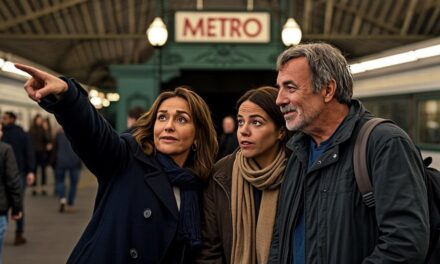
That said, like any major world city, Paris has its share of petty crime. Pickpocketing is the most common issue, particularly around major tourist attractions like the Eiffel Tower, the Louvre, Notre-Dame, and the Champs-Élysées, as well as on the Paris Metro during rush hours. Solo travelers should be especially vigilant in crowded areas, keep valuables in front pockets or cross-body bags, and avoid displaying expensive electronics or jewelry openly. Scams such as the “gold ring” trick, petition signing, and string bracelet tying are common near tourist hotspots. A firm “non, merci” and walking away is usually sufficient to deter scammers. For more details, check out our guide to getting around Paris cheaply.
The safest neighborhoods for solo travelers include Le Marais, Saint-Germain-des-Prés, the 7th arrondissement near the Eiffel Tower, and the Latin Quarter. These areas are well-populated, well-lit in the evening, and offer plenty of restaurants, cafés, and activities within walking distance. Areas that require more caution at night include Barbès-Rochechouart, Pigalle (though it has improved significantly), and the outskirts near the périphérique ring road. As a general rule, solo travelers should exercise the same common sense they would in any large city.
Best Neighborhoods to Stay as a Solo Traveler
Le Marais (3rd and 4th Arrondissements)
Le Marais is widely considered the best neighborhood for solo travelers in Paris. This historic district is packed with charming boutiques, art galleries, falafel shops, wine bars, and cafés, all within a compact, walkable area that feels safe and welcoming at all hours. The neighborhood has a vibrant, diverse energy that makes it easy to meet other travelers and locals. It is also home to the stunning Place des Vosges, the Picasso Museum, and some of the best vintage shopping in Paris. Accommodation options range from affordable hostels to mid-range boutique hotels, with prices generally lower than in the more touristy 7th or 8th arrondissements. For more details, check out our wine bars.
Saint-Germain-des-Prés (6th Arrondissement)
Saint-Germain-des-Prés is the quintessential Parisian neighborhood for solo travelers who want a mix of culture, café culture, and intellectual energy. This area was the heart of the existentialist movement, frequented by Sartre, de Beauvoir, and Hemingway, and it retains a sophisticated, literary atmosphere today. The neighborhood is home to iconic cafés like Café de Flore and Les Deux Magots, the beautiful Luxembourg Gardens, numerous bookshops including the famous Shakespeare and Company nearby, and some of the best chocolatiers in Paris. It is extremely safe, well-connected by Metro, and offers plenty of solo-friendly restaurants where dining alone is completely normal.
Latin Quarter (5th Arrondissement)
The Latin Quarter is a fantastic choice for solo travelers, particularly those on a budget or looking for a youthful, energetic atmosphere. Home to the Sorbonne University, this neighborhood is filled with students, affordable eateries, lively bars, and a constant buzz of activity. Key attractions include the Panthéon, the Musée de Cluny, the Jardin des Plantes, and the historic Shakespeare and Company bookshop. The area has excellent Metro connections and is within walking distance of Notre-Dame and the Île de la Cité. Solo travelers will find plenty of budget-friendly accommodation options, from hostels to guesthouses.
The Ultimate 3-Day Paris Solo Travel Itinerary
Day 1: Classic Paris Highlights
Morning: Start your solo Paris adventure at the Eiffel Tower. Arrive by 9 AM to beat the crowds and take the elevator to the second floor for stunning views over the city. Afterward, walk through the Champ de Mars to the Seine and enjoy a leisurely stroll along the river. Grab a croissant and coffee from a nearby boulangerie for a classic Parisian breakfast experience.
Afternoon: Take the Metro to the Louvre and spend two to three hours exploring the world’s largest art museum. Focus on the highlights: the Mona Lisa, Venus de Milo, Winged Victory, and the Egyptian Antiquities wing. After the Louvre, cross the Seine to explore Saint-Germain-des-Prés. Grab lunch at a local café, browse the bookshops, and relax in the Luxembourg Gardens.
Evening: Head back to your neighborhood for dinner at a welcoming bistro. Le Marais has countless options where solo diners are warmly received. Consider joining a free walking tour or a food tour to meet other travelers, or simply enjoy a quiet evening people-watching from a café terrace with a glass of wine.
Day 2: Art, Culture, and Hidden Gems
Morning: Begin at the Musée d’Orsay, housed in a stunning former railway station and home to the world’s finest collection of Impressionist art. Spend two hours admiring works by Monet, Renoir, Degas, and Van Gogh. The building itself is a work of art, with its magnificent clock offering a famous photo opportunity overlooking the Seine.
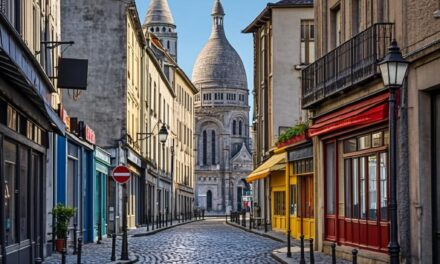
Afternoon: Explore Montmartre, the bohemian hilltop neighborhood that inspired artists like Picasso, Toulouse-Lautrec, and Renoir. Climb to the Sacré-Cœur Basilica for panoramic views, wander through the Place du Tertre where artists still paint outdoors, and explore the charming cobblestone streets. Visit the Wall of Love (Le Mur des Je t’aime) and stop for lunch at a Montmartre bistro. In the afternoon, discover the hidden passages of Paris, including Galerie Vivienne and Passage des Panoramas, beautiful covered arcades that most tourists miss.
Evening: Take a Seine river cruise at sunset for one of the most magical experiences in Paris. Bateaux Parisiens and Bateaux Mouches both offer one-hour cruises that pass by all the major monuments. Afterward, enjoy dinner in Montmartre or back in your neighborhood.
Day 3: Local Paris and Shopping
Morning: Start at the Marché d’Aligre, one of Paris’s most authentic and lively street markets. Sample fresh produce, cheese, and pastries while mingling with locals. Afterward, explore the trendy Bastille neighborhood, known for its independent shops and vibrant restaurant scene.
Afternoon: Spend the afternoon in Le Marais, exploring the boutiques on Rue des Francs-Bourgeois, visiting the Picasso Museum or the Musée Carnavalet (Paris history museum), and enjoying falafel from the famous L’As du Fallafel on Rue des Rosiers. Walk through Place des Vosges, the oldest planned square in Paris, and relax on a bench with a book.
Evening: For your final evening, treat yourself to a special dinner. Paris has many restaurants with counter seating or communal tables that are perfect for solo diners. Alternatively, join a cooking class, a wine tasting, or an evening photography tour to end your trip with a memorable experience.
Solo Dining in Paris: A Complete Guide
One of the biggest concerns for solo travelers is dining alone, but in Paris, eating by yourself is completely normal and socially acceptable. Parisians regularly dine solo at cafés, and many restaurants have counter seating, bar seating, or small tables designed for individual diners. In fact, some of the best dining experiences in Paris are enjoyed alone, allowing you to fully focus on the food, the atmosphere, and the people-watching.
For lunch, opt for a formule (set menu) at a local bistro, which typically includes a starter, main course, and sometimes dessert or coffee for a fixed price of €15 to €25. This is an excellent value and a great way to experience authentic French cuisine. Many brasseries and bistros serve these menus daily. For dinner, look for restaurants with comptoir (counter) seating, which is common at seafood bars like Le Duc, wine bars like Septime La Cave, and Japanese restaurants. Bookstores with cafés, like Shakespeare and Company or La Hune, also offer wonderful solo dining experiences.
How to Meet People While Traveling Solo in Paris
Traveling solo does not mean being lonely. Paris offers countless opportunities to connect with other travelers and locals. Free walking tours, available through companies like Sandeman’s and Discover Walks, are an excellent way to meet fellow travelers while learning about the city’s history and culture. These tips-based tours run daily and cover various neighborhoods and themes. For more details, check out our guide to free things to do in Paris.
Joining a food tour is another fantastic way to socialize. Companies like Secret Food Tours, Paris by Mouth, and Culinary Backstreets offer small-group experiences that combine dining with exploration. Cooking classes, wine tastings, and photography walks are also popular social activities. For digital nomads and remote workers, co-working spaces like WeWork, Anticafé, and Station F offer the chance to work alongside locals and expats. Language exchange meetups, organized through platforms like Meetup.com and Couchsurfing, are another great way to connect with both locals and fellow travelers in a relaxed, social setting.
Budget Tips for Solo Travelers in Paris
One of the advantages of solo travel is flexibility in your budget. You can choose exactly where to splurge and where to save without compromising for a travel companion. Here are some proven strategies to keep costs down without sacrificing the Paris experience. First, take advantage of the many free attractions Paris offers: walking across the Seine bridges, exploring Montmartre’s streets, visiting churches like Sacré-Cœur and Sainte-Chapelle (though Sainte-Chapelle has a modest entry fee), browsing the bookstalls along the Seine, and relaxing in the city’s beautiful parks and gardens.
For accommodation, consider hostels with private rooms (many offer single rooms with en-suite bathrooms for €50 to €90 per night), budget hotels in the outer arrondissements (the 11th, 12th, and 13th offer good value with Metro access), or apartment rentals through Airbnb. The Paris Museum Pass (€52 for 2 days, €66 for 4 days) can save significant money if you plan to visit multiple museums. Eat your main meal at lunch rather than dinner, when restaurant prix fixe menus are often 30 to 40 percent cheaper. Use the Metro rather than taxis; a carnet of 10 tickets costs approximately €17 and is valid across the entire network. For more details, check out our guide to 3 days in Paris.
Essential Apps for Solo Travelers in Paris
Citymapper is the best navigation app for Paris, providing real-time Metro, bus, and walking directions with live updates on delays and closures. The Fork (La Fourchette) is essential for restaurant reservations and often offers significant discounts of 20 to 50 percent at popular restaurants. Google Translate will help with menus, signs, and basic conversations, though most Parisians in tourist areas speak some English. RATP is the official app for the Paris public transport system and includes a journey planner and real-time service updates. Uber and Bolt are useful for late-night rides when the Metro is closed. Yelp and Google Maps are helpful for finding restaurants, cafés, and shops with real reviews from both locals and tourists.
Frequently Asked Questions
Is Paris safe for solo female travelers?
Paris is generally safe for solo female travelers, and Forbes has highlighted it as an increasingly popular destination for women traveling alone. The central neighborhoods (Le Marais, Saint-Germain, the 7th) are safe at all hours, with well-lit streets and plenty of foot traffic. Use the same precautions you would in any major city: stay aware of your surroundings, avoid poorly lit areas at night, keep your phone charged, and trust your instincts.
What is the best way to get around Paris as a solo traveler?
The Paris Metro is the most efficient and affordable way to get around. It is safe, clean, well-lit, and covers virtually every corner of the city. A single ticket costs approximately €2.15, while a carnet of 10 tickets costs around €17. Walking is also highly recommended, as many of the best experiences in Paris are found by simply wandering through different neighborhoods.
Is it weird to eat alone in Paris?
Not at all. Dining alone is completely normal in Paris, and many restaurants are well-equipped for solo diners with counter seating, bar seating, or small individual tables. Parisians regularly eat alone at cafés and restaurants, and you will rarely feel out of place.
How much does a solo trip to Paris cost?
A budget solo trip to Paris can be done for approximately €80 to €120 per day, including accommodation in a hostel or budget hotel, meals at affordable restaurants and markets, public transportation, and a few paid attractions. A mid-range budget of €150 to €250 per day allows for nicer accommodation, restaurant dinners, museum entries, and occasional splurges. A luxury solo trip can easily exceed €400 per day with palace hotel stays, Michelin-starred dining, and private tours.
Related: bikes and scooters