
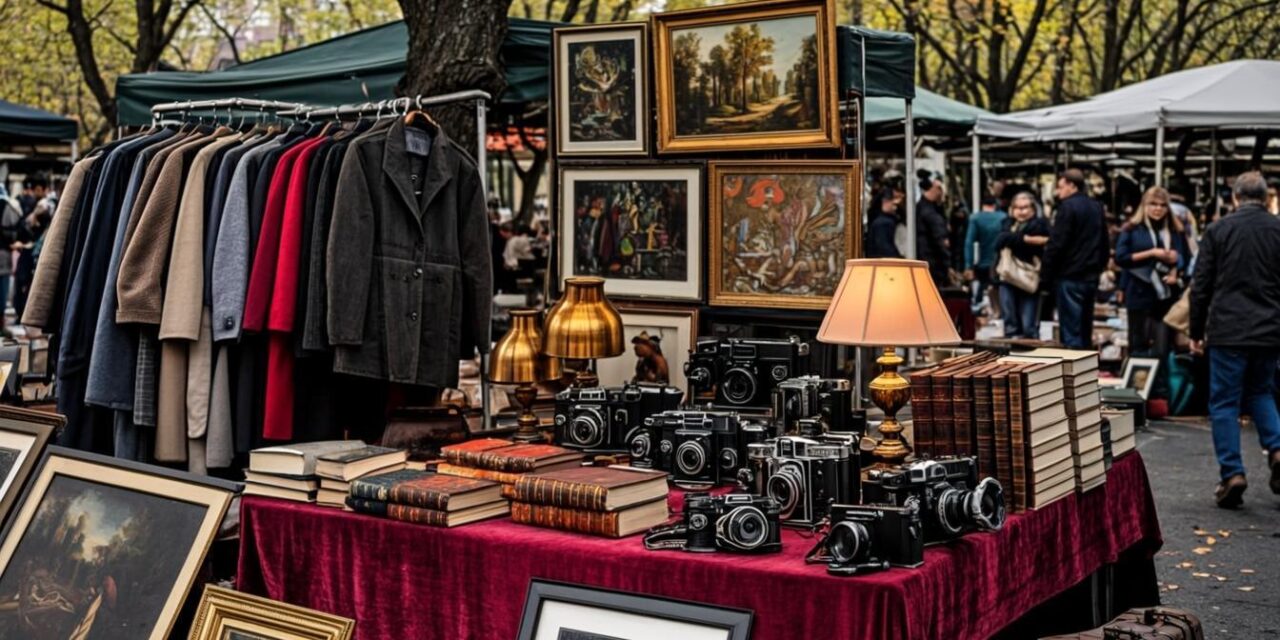
Why Paris Is the World Capital of Vintage Shopping
Paris has been the epicenter of vintage and antique shopping for centuries, and the tradition shows no signs of fading. The city’s flea markets (les puces, literally “the fleas”) are the largest and oldest in the world, attracting millions of visitors annually who come to hunt for treasures among stalls overflowing with vintage clothing, antique furniture, art, jewelry, books, and curiosities of every imaginable kind. Beyond the famous markets, Paris is home to hundreds of vintage boutiques, thrift stores, antique galleries, and second-hand shops that cater to every taste and budget, from high-end collectors seeking 18th-century furniture to fashion-forward shoppers hunting for rare designer pieces at bargain prices.
In 2026, the Paris vintage shopping scene is more vibrant and diverse than ever, driven by sustainability trends, the influence of TikTok and Instagram vintage hauls, and a growing appreciation for unique, pre-loved items over mass-produced goods. The city’s markets have been modernized and made more accessible to international visitors, with many vendors now accepting card payments and communicating in English. Whether you are a serious collector, a fashion enthusiast, a bargain hunter, or simply someone who enjoys the thrill of the hunt, Paris’s vintage shopping scene offers an experience that is as culturally rich as it is commercially rewarding. For more, see our guide to hidden gems in Paris.
The Big Three: Paris’s Major Flea Markets
1. Marché aux Puces de Saint-Ouen (Les Puces de Saint-Ouen)
The Marché aux Puces de Saint-Ouen is the largest flea market in the world, covering approximately 17 acres with over 2,500 stalls organized into 15 distinct markets, each with its own character and specialty. Located in the northern outskirts of Paris near the Porte de Clignancourt Metro station, this massive complex has been operating since the 19th century and is widely considered one of the essential Paris experiences. Pablo Picasso, Ernest Hemingway, Coco Chanel, and Serge Gainsbourg were all regular visitors, and the market continues to attract artists, designers, collectors, and celebrities from around the world.
The market is divided into several distinct sections. The Marché Vernaison is the original and most atmospheric section, with winding alleys packed with antique furniture, art, and curiosities. The Marché Dauphine focuses on contemporary art, vintage clothing, and design objects. Le Marché Biron is the high-end section, with galleries selling museum-quality antiques and fine art. The Marché Paul Bert is known for 20th-century furniture, Art Deco pieces, and vintage lighting. The Marché Malik is the most affordable section, with clothing, accessories, and small collectibles starting at just a few euros. For first-time visitors, the sheer scale can be overwhelming. Focus on two or three sections that align with your interests rather than trying to cover the entire market in one visit.
Practical information: Open Saturday, Sunday, and Monday from 7 AM to 6 PM. Arrive early (before 9 AM) for the best selection. Take the Metro to Porte de Clignancourt (Line 4). The market is approximately 10 minutes’ walk from the station. Bring cash, though many vendors now accept cards. Wear comfortable shoes. Bargaining is expected and part of the experience; start at 50 percent of the asking price and negotiate from there.
2. Marché aux Puces de la Porte de Vanves
The Marché de la Porte de Vanves is the Parisian’s flea market, the one that locals actually visit regularly rather than just when entertaining out-of-town guests. Located in the 14th Paris arrondissements guide near the Porte de Vanves Metro station, this weekly market is smaller and more intimate than Saint-Ouen, with approximately 350 vendors selling a curated mix of vintage clothing, small antiques, jewelry, books, ceramics, posters, and household items. The atmosphere is relaxed, friendly, and genuinely Parisian, with regular vendors greeting customers by name and offering tea and conversation alongside their wares.
What makes Porte de Vanves special is the quality and affordability of the finds. It is one of the best markets in Paris for vintage clothing, with excellent selections of 1960s and 1970s French fashion, designer pieces, leather goods, and accessories at prices that are often significantly lower than comparable items at Saint-Ouen or vintage boutiques. The market is also excellent for small antiques, vintage jewelry (including both costume and fine jewelry), posters and prints, and decorative objects. Many of Paris’s professional vintage dealers source their inventory here before reselling at higher prices in their shops, meaning that knowledgeable shoppers can find genuine bargains.
Practical information: Open Saturday and Sunday from 7 AM to 2 PM (many vendors start packing up after 1 PM, so arrive early). Take the Metro to Porte de Vanves (Line 13 or Line 6). Cash is essential, as card acceptance is limited. The market extends along Avenue Georges Lafenestre and the surrounding streets.
3. Marché d’Aligre
The Marché d’Aligre is not a traditional flea market but rather a vibrant street market that combines fresh food with vintage and second-hand items. Located in the 12th arrondissement, this daily market (except Monday) is one of the most authentic and lively market experiences in Paris. The Marché Bébé, the small section dedicated to second-hand goods, offers vintage clothing, books, small antiques, and curiosities at very affordable prices. While the selection is more limited than at the dedicated flea markets, the overall atmosphere of the Marché d’Aligre, with its food stalls, flower vendors, and bustling energy, makes it a wonderful destination for a morning of shopping and eating.
The nearby square, Place d’Aligre, features a covered market (Beauvau) with excellent food vendors, as well as several cafés where you can rest between shopping rounds. The surrounding streets have a growing number of vintage boutiques and antique shops, making the Aligre area an increasingly popular destination for vintage enthusiasts who want to combine their shopping with an authentic Parisian market experience.
The Best Vintage Boutiques in Paris
Kilo Shop — Multiple Locations
Kilo Shop is a Paris vintage institution with several locations across the city, including the Le Marais guide (Rue de Turenne), Saint-Germain (Rue du Bac), and near the Grands Boulevards. The concept is brilliantly simple: clothing and accessories are priced by weight, with color-coded tags indicating the per-kilo rate (typically ranging from €10 to €40 per kilo, with designer pieces at higher rates). This means you can find a vintage YSL jacket for €30 or a Levi’s denim jacket for €15, depending on the weight. The selection is enormous and constantly refreshed, with racks organized by type (dresses, jackets, jeans, shirts) and decade. The stores are well-organized, brightly lit, and staffed by friendly, fashion-knowledgeable employees. Kilo Shop is the ideal starting point for vintage shopping in Paris, particularly if you are new to it and want an accessible, curated experience.
Come on Eileen — 11th Arrondissement
Come on Eileen, located on Rue Saint-Maur in the trendy 11th arrondissement, is a carefully curated vintage boutique that focuses on high-quality, timeless pieces from the 1940s through the 1990s. The boutique has a sophisticated, gallery-like atmosphere, with clothing displayed on minimalist racks and beautifully styled mannequins. The selection emphasizes quality over quantity, with an emphasis on natural fabrics, classic silhouettes, and pieces that feel contemporary despite their age. Prices are moderate, with most items ranging from €30 to €150. The boutique also sells a small selection of vintage accessories, jewelry, and home decor. This is the place to go for that one perfect vintage piece that will elevate your entire wardrobe.
Friperie — Multiple Locations in the Marais
The Marais is the epicenter of Paris vintage clothing shopping, with dozens of friperies (second-hand clothing shops) concentrated along Rue des Rosiers, Rue des Francs-Bourgeois, and the surrounding streets. These shops range from cramped, treasure-stuffed dens where you literally dig through piles of clothing to polished boutiques with curated selections. Prices vary enormously, from €5 bargain bins to €200+ designer pieces. Key shops include Free’P’Star (two locations, known for large selections and affordable prices), Mamie Blue (excellent vintage denim and Americana), and Kilo Vintage (the original Kilo Shop competitor). Dedicate at least a full afternoon to Marais vintage shopping, as the number of shops is overwhelming and you will want time to explore properly.
Hadaly — 18th Arrondissement (Montmartre)
Hadaly, located near the Abbesses Metro station in Montmartre, is a unique vintage and antique shop that blurs the line between a store and a museum. The shop occupies multiple floors of a charming Montmartre building, each floor dedicated to a different era and style. The ground floor features affordable vintage clothing and accessories from the 1960s to the 1990s. The upper floors display antique furniture, Art Deco objects, vintage posters, and curiosities from the 19th and early 20th centuries. The prices range from very affordable (€5 to €20 for small accessories and clothing) to quite expensive (€200 to €1,000+ for fine antiques). Even if you are not buying, browsing through Hadaly’s collection is a fascinating journey through design history.
Paris Vintage Shopping by Category
Vintage Clothing and Fashion
Paris is one of the best cities in the world for vintage fashion, with options ranging from affordable thrift stores to high-end designer vintage boutiques. For affordable vintage clothing (under €50 per item), focus on the Marais friperies, Kilo Shop, and the Marché de la Porte de Vanves. For mid-range designer vintage (€50 to €300), visit boutique vintage shops like Come on Eileen, Annie’s, and Cyclad Vintage in the 11th. For high-end designer and haute couture vintage (€300 to several thousand euros), shops like Didier Ludot in the Palais Royal and Dépôt-Vente de Buci in Saint-Germain are legendary. These shops authenticate their pieces and often have connections to the fashion houses themselves.
Antique Furniture and Decor
For antique furniture and decorative objects, the Marché aux Puces de Saint-Ouen is unmatched, with the Marché Paul Bert, Marché Biron, and Marché Vernaison offering the finest selections. The Carré Rive Gauche, a Paris five neighborhoods guide of antique galleries on the Left Bank near the Musée d’Orsay, is the premier destination for high-end antiques, with galleries specializing in 18th-century French furniture, Old Master paintings, Asian art, and Islamic art. For more affordable decorative pieces, the Marché de la Porte de Vanves and the Marché d’Aligre offer excellent value on smaller items like vases, frames, lamps, and linens.
Vintage Jewelry and Watches
Paris is an exceptional destination for vintage jewelry shopping. The Marché aux Puces de Saint-Ouen has dozens of vendors specializing in antique and vintage jewelry, from costume pieces starting at €5 to fine jewelry worth thousands of euros. The Marché Dauphine within Saint-Ouen is particularly known for its jewelry dealers. In central Paris, the Place des Vosges area and the Palais Royal have several high-end vintage jewelry boutiques. For affordable vintage costume jewelry, the Marais friperies and the Marché de la Porte de Vanves offer great selections of statement pieces, brooches, and signed costume jewelry from brands like Miriam Haskell, Chanel, and Christian Dior.
Vintage Books and Prints
Paris has an extraordinary vintage book and print scene. The famous bouquinistes, the green boxes lining the Seine, sell vintage and antique books, prints, maps, and posters. The stalls along the Left Bank between the Musée d’Orsay and Notre-Dame are the most famous and offer a wonderful browsing experience. For serious book collectors, the annual Paris Antiquarian Book Fair (FILAF) and the numerous bookshops along Rue de Rivoli and in the Latin Quarter offer exceptional finds. The Marché de la Porte de Vanves and Saint-Ouen also have several book dealers with excellent selections of vintage and antique books, engravings, and photographs.
Pro Tips for Vintage Shopping in Paris
Bargain respectfully. At flea markets, bargaining is expected and part of the culture. Start at 50 to 60 percent of the asking price and negotiate with a smile. At vintage boutiques with fixed prices, bargaining is less common but is sometimes possible for larger purchases or multiple items.
Bring cash. While many vendors now accept cards, cash remains king at Paris flea markets and vintage shops. Bring small bills (€5 and €10 notes) as vendors may not be able to break larger bills.
Inspect items carefully. Vintage items may have flaws, repairs, or damage that is not immediately apparent. Check clothing for stains, moth holes, and altered sizing. Examine furniture for structural issues. Test jewelry clasps and watch mechanisms. Reputable dealers will disclose known issues, but it is ultimately your responsibility to inspect before purchasing.
Wear comfortable clothing and shoes. Vintage shopping involves a lot of walking, standing, and trying things on. Wear layers that are easy to remove, comfortable shoes, and bring a large tote bag for your purchases.
Know your sizes. French vintage sizing differs from American sizing, and vintage sizing in general runs smaller than contemporary sizing. Bring a tape measure and know your measurements in centimeters to avoid sizing surprises.
Go early for the best selection. At all markets, the best finds are available first thing in the morning. Professional dealers arrive before the markets officially open to secure the best items. For the serious shopper, arriving at 7 AM (or even earlier) is recommended.
Frequently Asked Questions
What is the best flea market in Paris?
The Marché aux Puces de Saint-Ouen is the largest and most famous flea market in Paris and is essential for first-time visitors. However, the Marché de la Porte de Vanves is preferred by many locals for its more manageable size, lower prices, and more authentic atmosphere. For food combined with vintage, the Marché d’Aligre is excellent. Visit all three if time permits, as each offers a distinctly different experience.
Are Paris flea markets worth visiting if I am not a serious shopper?
Absolutely. The flea markets are cultural experiences as much as shopping destinations. The atmosphere, the characters, the history, and the visual spectacle of the markets make them fascinating even if you have no intention of buying anything. Many visitors describe the markets as one of the highlights of their Paris trip, regardless of whether they made any purchases.
Can you bargain at Paris flea markets?
Yes, bargaining is expected and welcome at flea markets. The general rule is to offer 50 to 60 percent of the asking price and negotiate from there. Be polite, smile, and show genuine interest in the item. Vendors are much more likely to give you a good price if you engage them in friendly conversation rather than simply making a lowball offer.
Related: best deals