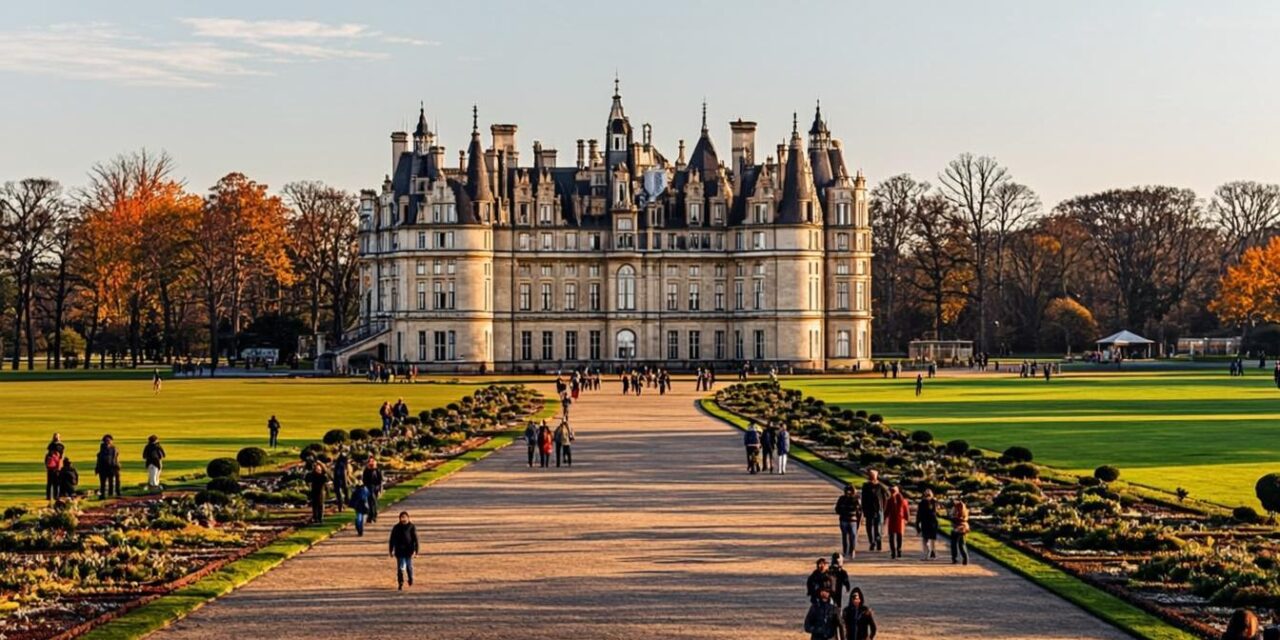
Looking for a Loire Valley day trip from Paris that offers royal grandeur without the overwhelming crowds of Versailles day trip? The Château de Fontainebleau is the answer. Located just 55 kilometres south-east of Paris, this UNESCO World Heritage site was the residence of 34 French kings and two emperors over eight centuries, making it the only royal château to have been continuously inhabited for more than 700 years.
Despite its extraordinary history and architectural splendour, Fontainebleau receives a fraction of the visitors who flock to Versailles. On any given day, you can wander through Napoleon’s apartments, admire the Renaissance frescoes of François I, and stroll through the formal gardens — all without jostling for space. Add the vast Forest of Fontainebleau (one of the most beautiful forests in France) and the charming nearby village of Barbizon, and you have the recipe for a perfect day trip from Paris.
Why Fontainebleau Is Paris’s Best Kept Day Trip Secret
Fontainebleau occupies a unique place in French history. While Versailles was built by Louis XIV as a statement of absolute power, Fontainebleau grew organically over centuries, with each monarch adding their own wing, gallery, or garden. The result is a château that tells the story of French royalty from the Middle Ages to the fall of the Second Empire, all within a single building complex.
The château is particularly associated with Napoleon Bonaparte, who once famously said: “Fontainebleau is the true home of kings, the house of ages.” It was here that he signed his abdication in 1814, and his apartments remain beautifully preserved, complete with his original furniture, his campaign desk, and even the tent he used during military campaigns. For history enthusiasts, Fontainebleau offers a more intimate and authentic royal experience than Versailles, where the crowds and commercialisation can sometimes overshadow the historical significance.
But Fontainebleau is not just about the château. The surrounding Forest of Fontainebleau covers over 25,000 hectares and is one of the most important natural areas in France. It has inspired generations of artists, from the Barbizon School painters of the 19th century to Claude Monet and Auguste Renoir. Today, the forest is a paradise for hikers, rock climbers, and nature lovers, with hundreds of kilometres of marked trails and some of the finest sandstone bouldering in the world.
Fontainebleau vs. Versailles: Which Should You Visit?
This is the question most travellers ask, and the honest answer is: both are worth visiting, but they offer very different experiences. Here is a quick comparison:
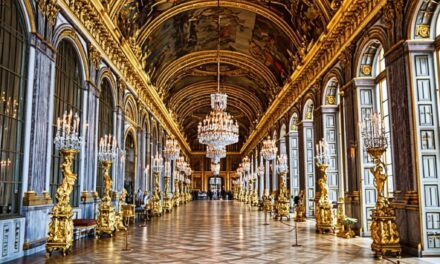
Versailles is grander, more opulent, and more famous. The Hall of Mirrors is one of the most iconic rooms in the world, and the extensive gardens and estate (including the Trianon palaces and Marie-Antoinette’s hamlet) are genuinely breathtaking. However, Versailles is also extremely crowded, especially from April to October. You may wait 45–90 minutes just to enter the palace, and the gardens can feel like a theme park on busy days. Entrance to the palace costs €21, and the full estate passport is €27.
Fontainebleau is more intimate, more varied in its architectural styles, and significantly less crowded. You can walk straight into the château without queuing, take your time in each room, and enjoy the gardens in relative peace. The entrance fee is €14 for the château and gardens combined — considerably cheaper than Versailles. Fontainebleau also has the advantage of being surrounded by a magnificent forest, giving you the option to combine cultural sightseeing with outdoor activity.
Our recommendation: If you only have time for one royal château and you want the full “wow factor,” choose Versailles. If you prefer a more relaxed, authentic experience with fewer tourists and the bonus of forest hiking, choose Fontainebleau. Better yet, visit both on separate days — they complement each other perfectly.
How to Get to Fontainebleau from Paris by Train
Getting to Fontainebleau by public transport is straightforward and takes approximately 40–50 minutes from Paris: For more details, check out our guide to getting around Paris cheaply.
Step 1: Take the Transilien Line L train from Paris-Gare de Lyon. Board a train heading towards Montargis or Montereau (not all Line L trains stop at Fontainebleau, so check the destination board). The journey takes about 35–40 minutes.
Step 2: Get off at Fontainebleau–Avon station. From here, you have two options to reach the château: take a local bus (Line 1, direction “Les Lilas”), which drops you right at the château entrance in about 10 minutes, or walk through the forest along a scenic 2.5-kilometre path that takes approximately 30 minutes. The walk is lovely and highly recommended if the weather is good — you will follow a trail through beech and oak trees before emerging at the château’s forecourt.
Cost: A one-way Transilien ticket from Paris to Fontainebleau costs approximately €10. The local bus from the station to the château costs around €2.15.
What to See at the Château de Fontainebleau
The château is enormous, and you could easily spend 3–4 hours exploring. Here are the absolute highlights:
The Grands Appartements: These are the state rooms used by successive kings and emperors for official ceremonies. The Galerie de François I is the masterpiece — a magnificent corridor decorated with intricate Renaissance frescoes, stuccowork, and carved wood by Italian artists including Rosso Fiorentino. It is considered one of the finest examples of Renaissance decorative art in France.
Napoleon’s Apartments: The emperor’s private rooms are remarkably well preserved. You can see his bedroom (where he died in exile on Saint Helena is recreated here), his study with its iconic campaign desk, his bathroom with its original copper tub, and the Salle du Trône (Throne Room), which is the only surviving imperial throne room in France still in its original location.
The Chapelle de la Trinité: This exquisite chapel features stunning stained glass, ornate altarpieces, and a beautifully painted ceiling. It has been used for royal baptisms, marriages, and funerals for centuries.
The Gardens: The formal gardens were designed by André Le Nôtre (the same landscape architect who created the gardens at Versailles). The Jardin de Diane, with its central fountain and statue of the goddess Diana, is particularly beautiful. The Grand Parterre is one of the largest formal gardens in Europe and offers sweeping views of the château façade.
The Theatre: Built during Napoleon III’s reign, this intimate theatre seats just 400 people and is still used for performances today. The ceiling painting and gilded decoration are exquisite.
Exploring the Forest of Fontainebleau
If you have time after visiting the château, the forest is the perfect complement to a day of cultural sightseeing. Here are the best options: For more details, check out our guide to best day trips from Paris.
The Barbizon Trail: Barbizon is a picturesque village on the edge of the forest that became home to a colony of landscape painters in the mid-19th century, including Jean-Baptiste-Camille Corot, Théodore Rousseau, and Jean-François Millet. The village retains its artistic charm, with galleries, studios, and the excellent Musée Départemental de l’École de Barbizon. You can reach Barbizon on foot from the château (about 5 kilometres) or by taxi (10 minutes).
Rochers de Fontainebleau (Bouldering): The forest is one of the world’s premier bouldering destinations, with thousands of sandstone boulders of varying difficulty. Even if you are not a climber, the rock formations are stunning to look at, and there are easy walking trails that pass through the most scenic areas. The Gorges d’Apremont and Bas Cuvier are two of the most popular spots.
Cycling: You can rent bicycles in Fontainebleau town (several shops near the station) and explore the forest on two wheels. There are over 300 kilometres of cycle paths and forest trails to choose from.
Where to Eat in Fontainebleau
Fontainebleau town has a good selection of restaurants, far more authentic and affordable than the tourist traps near Versailles. Le Gambetta is a classic French bistro serving traditional dishes like duck confit and crème brûlée at reasonable prices. Auberge de la Tuilerie in the nearby village of Bourron-Marlotte offers excellent seasonal cuisine in a charming rural setting. For a quick lunch, grab a baguette sandwich from one of the boulangeries on the Rue Grande.
Fontainebleau also has a wonderful market day on Saturday mornings, where you can browse local produce, cheeses, breads, and regional specialities. It is the perfect place to assemble a picnic to eat in the château gardens or the forest.
Whether you are a history buff, an art lover, an outdoor enthusiast, or simply someone who wants to escape the Paris crowds for a day, Fontainebleau delivers an experience that is rich, varied, and genuinely rewarding. It is the royal day trip that most tourists never take — and that is exactly what makes it so special.