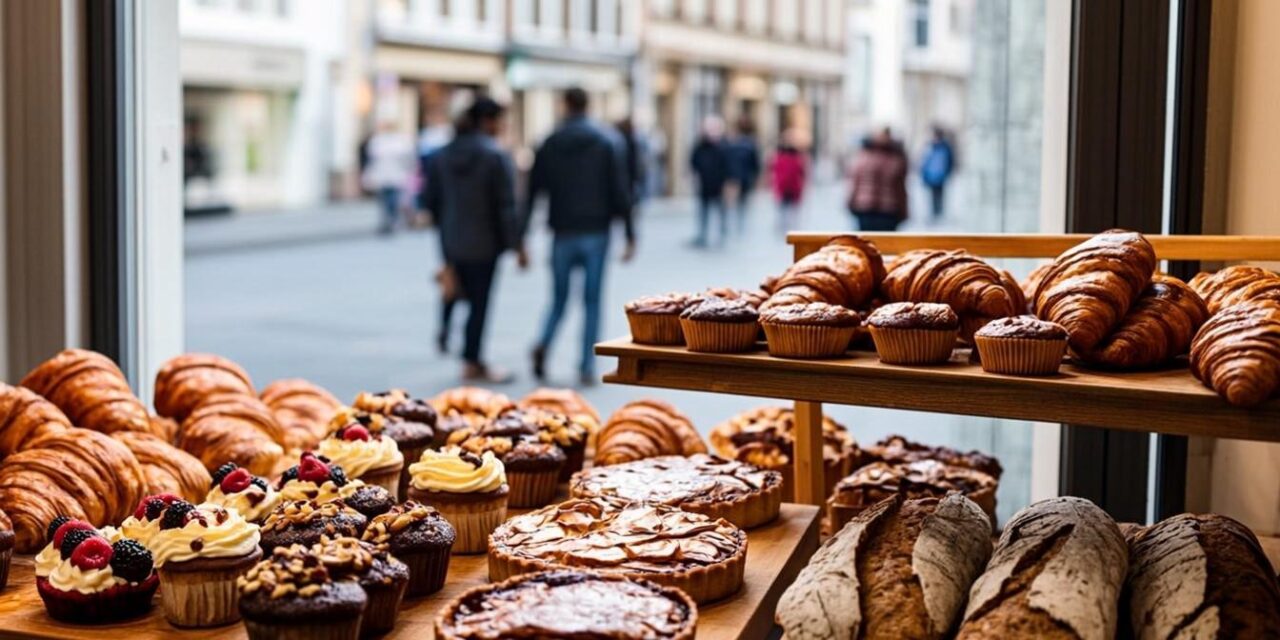
The Art of French Pastry in Paris
French pastry is one of the great culinary traditions of the world, and Paris is its beating heart. From the humble croissant to elaborate tarte tropéziennes, from delicate macarons to rustic fruit galettes, Parisian bakeries and pastry shops produce an astonishing variety of baked goods that are central to daily life in the city. The boulangerie is not just a shop in Paris; it is a social institution, a culinary landmark, and often the most visited establishment in any neighborhood. Every Parisian has their favorite boulangerie, and debates about who makes the best croissant can be as heated as discussions about politics or football. For more details, check out our guide to Paris food guide.
In 2026, the Paris pastry scene is experiencing a golden age. A new generation of artisan bakers is pushing the boundaries of traditional techniques while respecting the fundamentals that make French pastry extraordinary. Organic flours, natural fermentation, single-origin butters, and innovative flavor combinations are transforming even the most classic pastries. At the same time, historic institutions continue to produce the time-honored recipes that have made Paris the pastry capital of the world. This guide covers the best bakeries in Paris, the essential pastries you must try, and insider tips for the ultimate Paris pastry experience. For more details, check out our guide to best cafés in Paris.
The Best Bakeries in Paris for Croissants
1. Pierre Hermé — Multiple Locations
Pierre Hermé is often called the “Picasso of pastry” and is widely regarded as the most influential pastry chef working today. His croissants are considered among the best in Paris, with a perfect balance of flaky exterior layers and a soft, buttery interior that practically melts in your mouth. The croissant Ispahan, a rose-scented variation with raspberry and lychee, is his signature creation and has become iconic. But even his classic butter croissant is a revelation, featuring layers so delicate and precise that they shatter beautifully with each bite. Prices start at approximately €2.20 for a classic croissant. Multiple locations across Paris, including Rue Bonaparte in Saint-Germain and Rue de Sèvres. For more details, check out our guide to Paris for foodies.
2. Dominique Ansel Bakery — 3rd Arrondissement
Dominique Ansel, the French pastry chef who created the legendary Cronut in New York, opened his Paris bakery in the Marais to enormous acclaim. His croissants are outstanding, featuring an extraordinary 72-layer lamination process that produces a remarkably light, airy texture with a deep buttery flavor. The Mini Me croissant, a smaller version that emphasizes the perfect crust-to-interior ratio, has become a local favorite. The bakery also serves excellent pain au chocolat, kouign-amann, and a rotating selection of creative pastries. The interior is bright and charming, with a beautiful terrace. Expect a queue on weekends, but the line moves quickly and the pastries are worth every minute of waiting.
3. Blé Sucré — 12th Arrondissement
Blé Sucré, located in a quiet corner of the 12th arrondissement near the Gare de Lyon, is widely considered one of the best traditional bakeries in Paris. Opened in 2012 by baker Fabrice Le Bourdat, who trained under the legendary Pierre Hermé, this tiny bakery produces croissants that are nothing short of extraordinary. The butter croissant features a deep golden exterior with a satisfying shatter, revealing a honeycomb interior that is simultaneously crisp, tender, and intensely buttery. The pain au chocolat is equally exceptional, with two generous bars of high-quality chocolate. The madeleines, baked fresh throughout the day, are some of the best in Paris. A croissant costs approximately €1.50, making this one of the best-value exceptional pastries in the city.
4. Du Pain et des Idées — 10th Arrondissement
Du Pain et des Idées, housed in a beautiful Art Nouveau bakery building near the Canal Saint-Martin, is a Paris institution. Baker Christophe Vasseur left a career in fashion to pursue his passion for bread and pastry, and his dedication shows in every product. The escargot (a spiral pastry filled with various flavors) is the bakery’s signature, available in flavors like chocolate-pistachio, raisin-rum, and almond. The classic croissant is exceptional, made with organic flour and aged butter that gives it a distinctive, slightly tangy flavor. The pain des amis, a large, crusty sourdough loaf, is one of the best breads in Paris. The bakery’s original tilework and antique fixtures create an atmosphere that feels like stepping back in time.
5. L’Ambroisie — 4th Arrondissement
While most famous for its three-Michelin-starred restaurant, L’Ambroisie on Place des Vosges also produces some of the finest pastries in Paris through its adjacent boulangerie. Bernard Pacaud’s pastry team creates croissants of extraordinary quality, with a precision and refinement that reflects the restaurant’s Michelin-star standards. The croissant is buttery, flaky, and perfectly golden, while the pain au chocolat features exceptional Valrhona chocolate. At approximately €2 per croissant, these are not cheap, but the quality is unsurpassed. The beautiful setting on the oldest planned square in Paris adds to the experience.
The Essential Paris Pastries You Must Try
The Croissant
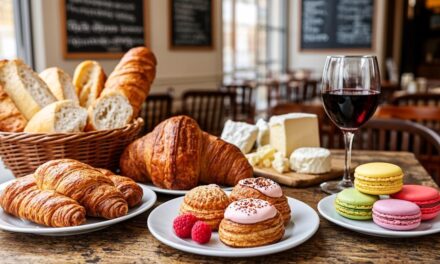
The croissant is the quintessential French pastry, and eating a perfect one in Paris is a sensory experience unlike any other. A great croissant should have a deep golden, shatteringly crisp exterior with visible layers of buttery dough. When you break it open, the interior should be light, airy, and honeycombed, with a subtle yeasty aroma and a rich butter flavor that lingers on the palate. The best croissants in Paris are made with premium AOP butter (Appellation d’Origine Protégée), which has a higher fat content and a distinctive flavor. Croissants are best eaten within two hours of baking, which is why going to the bakery early in the morning is essential. In Paris, a classic butter croissant costs €1.00 to €2.50.
Pain au Chocolat
The pain au chocolat (also known as a chocolatine in southern France) is the croissant’s equally beloved cousin. Instead of a plain crescent shape, it is a rectangular pastry made with the same laminated dough and filled with one or two bars of dark chocolate. The best pain au chocolat features chocolate that is rich and slightly bitter, balancing the buttery sweetness of the dough. When warmed slightly, the chocolate becomes molten and oozes out with each bite. A perfect pain au chocolat should have the same flaky, layered exterior as a croissant and should never feel soggy or greasy from the chocolate filling.
The Macaron
The macaron is arguably France’s most famous pastry export, and Paris is home to the world’s best. These delicate almond meringue sandwiches, filled with buttercream, ganache, or jam, come in an extraordinary variety of flavors. The exterior should have a smooth, shiny shell with a distinctive “foot” (the ruffled base), while the interior should be chewy and slightly moist. The two most famous macaron houses in Paris are Ladurée and Pierre Hermé, but many smaller pastry shops produce exceptional macarons that are equally delicious. A single macaron typically costs €1.80 to €3.00, while gift boxes of six or twelve make excellent souvenirs.
Tarte Tatin
The tarte Tatin is an upside-down caramelized apple tart that is one of the great classics of French pastry. The apples are slowly caramelized in butter and sugar, then topped with puff pastry and baked until golden. When turned out of the pan, the apples are intensely caramelized on top while the pastry underneath is crisp and buttery. The best tarte Tatin has apples that are tender but not mushy, caramel that is dark and slightly bitter, and pastry that is flaky without being heavy. It is best served warm with a scoop of vanilla ice cream or a dollop of crème fraîche.
The Paris-Brest
The Paris-Brest is a ring-shaped choux pastry filled with a praline-flavored cream, originally created in 1891 to commemorate the Paris-Brest bicycle race. The pastry is topped with sliced almonds and powdered sugar, and when sliced open, reveals a generous filling of mousseline cream flavored with praline, a paste made from caramelized hazelnuts and almonds. The contrast between the crisp choux exterior and the silky, nutty cream interior is extraordinary. This pastry is less well-known outside France but is a must-try for any serious pastry lover visiting Paris.
A Self-Guided Paris Pastry Crawl
Morning Route: The Best of Central Paris
Start your pastry crawl at 8 AM (or as early as possible) at Du Pain et des Idées in the 10th. Buy a croissant and an escargot and enjoy them on a bench along the nearby Canal Saint-Martin. Walk south through the 3rd arrondissement to Dominique Ansel Bakery for a pain au chocolat and their latest creative pastry. Continue to Blé Sucré in the 12th for a madeleine and an espresso. Finish at Pierre Hermé on Rue Bonaparte in Saint-Germain for a selection of macarons. This route covers approximately 4 kilometers and takes about three hours at a leisurely pace, with stops for eating and resting.
Neighborhood Deep Dive: Le Marais
The Marais has one of the highest concentrations of exceptional bakeries and pastry shops in Paris. Start at L’Ambroisie on Place des Vosges for a croissant and coffee. Walk to Breizh Café on Rue des Vieilles du Temple for a kouign-amann, the legendary Breton butter cake. Continue to Yann Couvreur on Rue de Bretagne for innovative pastries like the vanilla tart or the chestnut religieuse. Finish at Un Dimanche à Paris for hot chocolate and artisanal pastries in a beautiful setting. This compact route covers just 1.5 kilometers and can be completed in about two hours.
Practical Tips for the Paris Pastry Experience
Go early. The best pastries sell out quickly. At top bakeries like Blé Sucré and Du Pain et des Idées, croissants can be sold out by 11 AM on weekends. Arrive as close to opening time as possible (typically 7 AM on weekdays, 8 AM on weekends) for the freshest selection.
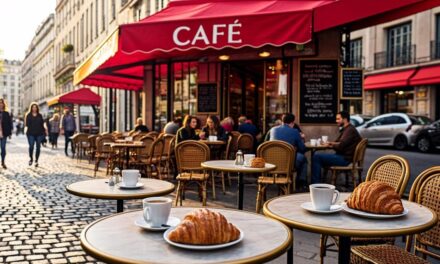
Eat immediately. Croissants and most pastries are at their absolute best within 30 minutes of purchase. Do not save them for later. Eat them on a bench, at a café terrace, or while walking through a park. The difference between a fresh croissant and one that has been sitting for hours is dramatic.
Cash is preferred. Many traditional bakeries prefer cash, though most now accept cards for purchases over a certain amount (usually €5 to €10). Carry some cash to avoid issues.
Try the bread. Parisian bakeries produce extraordinary bread alongside their pastries. A fresh baguette tradition (the premium category of baguette, made with no additives) costs approximately €1.30 to €1.50 and is one of the simplest, most satisfying things you can eat in Paris.
Ask for recommendations. Bakery staff are passionate about their products and are usually happy to recommend their favorites or tell you about seasonal specialties that you might not know to try.
Frequently Asked Questions
What is the best croissant in Paris?
The title of “best croissant in Paris” is hotly contested, but Blé Sucré, Du Pain et des Idées, Pierre Hermé, and Dominique Ansel are consistently ranked among the top bakeries by Parisians and food critics. The truth is that personal preference plays a significant role: some prefer a buttery, rich croissant while others prefer a lighter, crispier version. The best approach is to try croissants from several bakeries and decide for yourself.
How much do pastries cost in Paris?
A croissant or pain au chocolat costs €1.00 to €2.50 at most bakeries. Macarons are €1.80 to €3.00 each. More elaborate pastries like tarte tatin, Paris-Brest, or millefeuille cost €5 to €8 per slice. A baguette tradition costs €1.30 to €1.50. These prices make Parisian pastries one of the great culinary bargains in the world.
What time do Paris bakeries open?
Most Paris bakeries open between 6:30 AM and 7:30 AM on weekdays and 7:00 AM to 8:00 AM on weekends. A few bakeries, particularly in areas with active nightlife, open even earlier. The best pastries are available first thing in the morning, so arriving within the first hour of opening is recommended.