How Much Does It Cost to Live in moving to Paris in 2026?
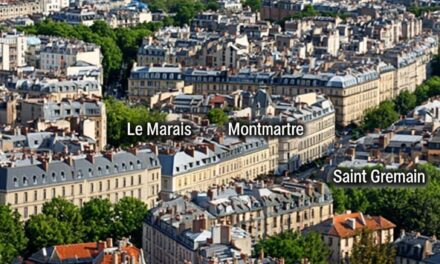
Paris remains one of the most desirable — and expensive — cities in the world to live in. But the actual cost of living in Paris depends enormously on your lifestyle, best neighborhoods to live in Paris, and whether you are an expat, student, or digital nomad. This comprehensive guide breaks down every major expense category so you can plan your budget with precision. The good news: Paris can be surprisingly affordable restaurants in Paris once you understand how locals manage their spending. The bad news: housing costs continue to rise and represent the single biggest expense for most residents.
Accommodation: The Biggest Expense
Rent is by far the largest cost of living in Paris. Prices vary dramatically by arrondissement and apartment size:
- Studio apartment (25–30m²): €900–€1,400/month in outer arrondissements (13th–20th); €1,200–€1,800 in central areas (1st–8th)
- One-bedroom apartment (35–45m²): €1,200–€1,800/month in outer areas; €1,600–€2,500 in central areas
- Two-bedroom apartment (50–65m²): €1,800–€2,500/month in outer areas; €2,500–€4,000 in central areas
These are the prices for unfurnished apartments on the open market. Furnished apartments typically cost 10–20% more. Utilities (electricity, gas, water, internet) add another €150–€250/month on top of rent. When you sign a lease in France, you will need a guarantor (someone earning at least 3x the rent) and a security deposit equal to 1 month’s rent for unfurnished or 2 months for furnished apartments. For more, see our guide to getting around Paris cheaply.
Food and Groceries
Paris offers excellent value for food if you shop smart. At local markets and discount supermarkets (Lidl, Aldi, Carrefour Market), a weekly grocery bill for one person runs €50–€80. At premium stores like Monoprix or Franprix, expect to pay €80–€120 per week. The marchés (street markets) are where locals buy fresh produce, cheese, and meat — often at better quality and prices than supermarkets.
Restaurant dining costs vary widely. A plat du jour (dish of the day) at a neighborhood bistro costs €12–€16. A three-course meal at a mid-range restaurant runs €25–€45. Fine dining starts at €80+ per person. Coffee at a café costs €1.50–€3.50 (counter vs. terrace), and a glass of wine is €4–€8. The most budget-friendly option is buying fresh bread, cheese, and charcuterie from markets — a gourmet picnic for two costs under €15.
Transportation
Paris has one of the best public transportation systems in the world, and it is remarkably affordable. A single metro/bus ticket costs €2.15, a carnet of 10 tickets is €18.90, and a monthly Navigo pass (unlimited travel in zones 1–5) costs €84.10. If you commute daily, the Navigo pass pays for itself after approximately 40 trips. The metro runs from 5:30 AM to 12:45 AM (2:15 AM on Fridays and Saturdays), and buses cover late-night hours.
For cycling, the Vélib’ Métropole bike-sharing system costs €5/month for unlimited 30-minute rides. Electric bikes cost a premium per ride. Taxis and ride-sharing apps (Uber, Bolt) are widely available but more expensive — expect €10–€20 for a typical cross-city ride. Owning a car in Paris is strongly discouraged due to parking costs (€150–€300/month), congestion charges, and traffic.
Healthcare
France has one of the world’s best healthcare systems. As a legal resident, you are entitled to coverage under l’Assurance Maladie (the French social security health system), which reimburses approximately 70% of medical costs. The remaining 30% is covered by a complementary health insurance plan called a mutuelle, which costs €30–€80/month depending on coverage level.
A standard doctor consultation costs €25, of which €16.50 is reimbursed by the state. Specialist consultations cost €30–€50. Dental care and optical expenses are only partially covered by the state, making a good mutuelle essential. Pharmacy medications are partially reimbursed based on a classification system. Emergency care at public hospitals is free for all residents regardless of insurance status.
Internet, Phone, and Entertainment
A home internet + mobile phone bundle costs €20–€45/month (providers include Free, SFR, Orange, and Bouygues). A cinema ticket costs €11–€15 (reduced to €7–€8 on Tuesdays). Museum entry for residents is free at national museums on the first Sunday of each month from October to March. A gym membership costs €25–€60/month. Paris offers endless free entertainment: parks, riverbanks, markets, church concerts, and neighborhood festivals throughout the year.
Monthly Budget Summary for a Single Expat
- Frugal lifestyle: €1,800–€2,200/month (small studio, cooking at home, cycling/public transport)
- Comfortable lifestyle: €2,500–€3,500/month (nice apartment, restaurants 2–3x/week, gym, occasional outings)
- Luxury lifestyle: €4,000–€6,000+/month (large apartment, fine dining, private transport, travel)
The minimum you need to live decently in Paris is approximately €1,800/month. To qualify for a standard apartment lease, French landlords typically require proof of income equal to at least 3 times the monthly rent. A visa for non-EU citizens usually requires demonstrating a minimum income of approximately €1,500/month for a one-year stay.
Related: extended stay apartments